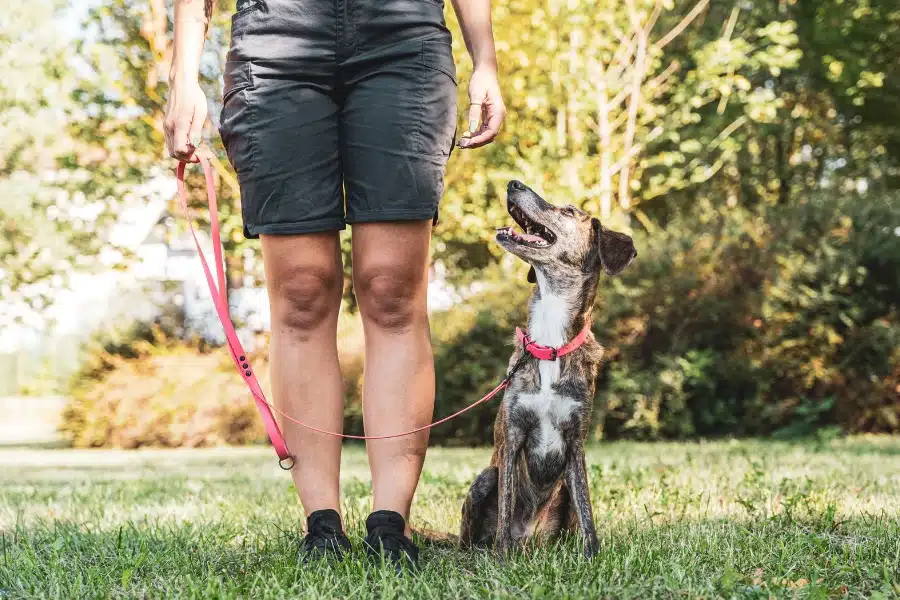
Ever wondered if your dog loves you as much as you love them? Understanding your dog’s emotions and behavior can be a rewarding experience, strengthening the bond between you and your furry friend. This blog post aims to shed light on the various signs that indicate your dog is showing love and affection. From the science behind canine emotions to the subtleties of tail wagging and vocalizations, you’ll gain a deeper understanding of what makes your dog tick. So, let’s dive in and explore the heartwarming ways your dog says, “I love you.”
Contents
The Science Behind Canine Emotions

Dogs are emotional beings capable of experiencing a range of feelings, from joy to sadness. While they may not express emotions in the same way humans do, scientific research has shown that dogs do have emotional centers in their brains. Hormones like oxytocin play a significant role in the bonding process between dogs and humans. When a dog interacts positively with their owner, oxytocin levels rise in both, fostering a sense of connection and well-being.
Understanding the science behind canine emotions sets the stage for recognizing the signs of love in everyday interactions. It’s not just about interpreting wagging tails or enthusiastic barks; it’s about comprehending the complex emotional lives of dogs. This knowledge equips you to better interpret your dog’s behavior, making your relationship more fulfilling for both parties involved.
Wagging Tails And What They Mean

A wagging tail is often the first sign people notice when determining a dog’s mood. However, not all tail wags are created equal. The speed, direction, and position of the wag can convey different emotions. For instance, a slow wag with a low tail often indicates a submissive or insecure dog, while rapid wagging at medium height may signify the dog is happy and excited.
While tail wagging is a clear sign of various emotions, in specific contexts, it can indeed signify happiness or affection. If your dog greets you with a wagging tail when you come home, it’s a strong indicator of their love for you. The key is observing the tail wagging in conjunction with other behaviors and settings, offering a complete picture of your dog’s emotional state.
Barks, Whines, And Woofs

Dogs communicate through a variety of sounds, each with its own meaning and context. A high-pitched bark might signify excitement, while a deep, prolonged woof could indicate a threat or discomfort. Whining is another vocalization that often gets misunderstood; it can be a sign of anxiety, but it can also indicate a strong desire for attention or closeness from their owner.
Deciphering these sounds provides another layer of understanding between you and your dog. Certain vocalizations, like soft whines when you’re about to leave or joyful barks when you engage in play, are indicative of affection or a desire for closeness. Learning to interpret these sounds correctly can enhance the bond you share with your dog, making for a happier, more harmonious relationship.
The Nuzzle And Snuggle

Nuzzling and snuggling are more than just adorable behaviors; they’re significant forms of communication in the canine world. When a dog nuzzles you, it’s often an act of trust and affection. They may nuzzle your hand to seek attention or nuzzle against your body as a form of closeness. These actions are not just comforting for the dog but also serve to strengthen the bond between you and your pet.
Understanding the importance of these physical gestures provides valuable insights into your dog’s emotional state. A dog that frequently nuzzles or snuggles is likely comfortable and secure in your presence. These actions are a form of bonding and demonstrate a level of trust and affection that enriches your relationship with your dog.