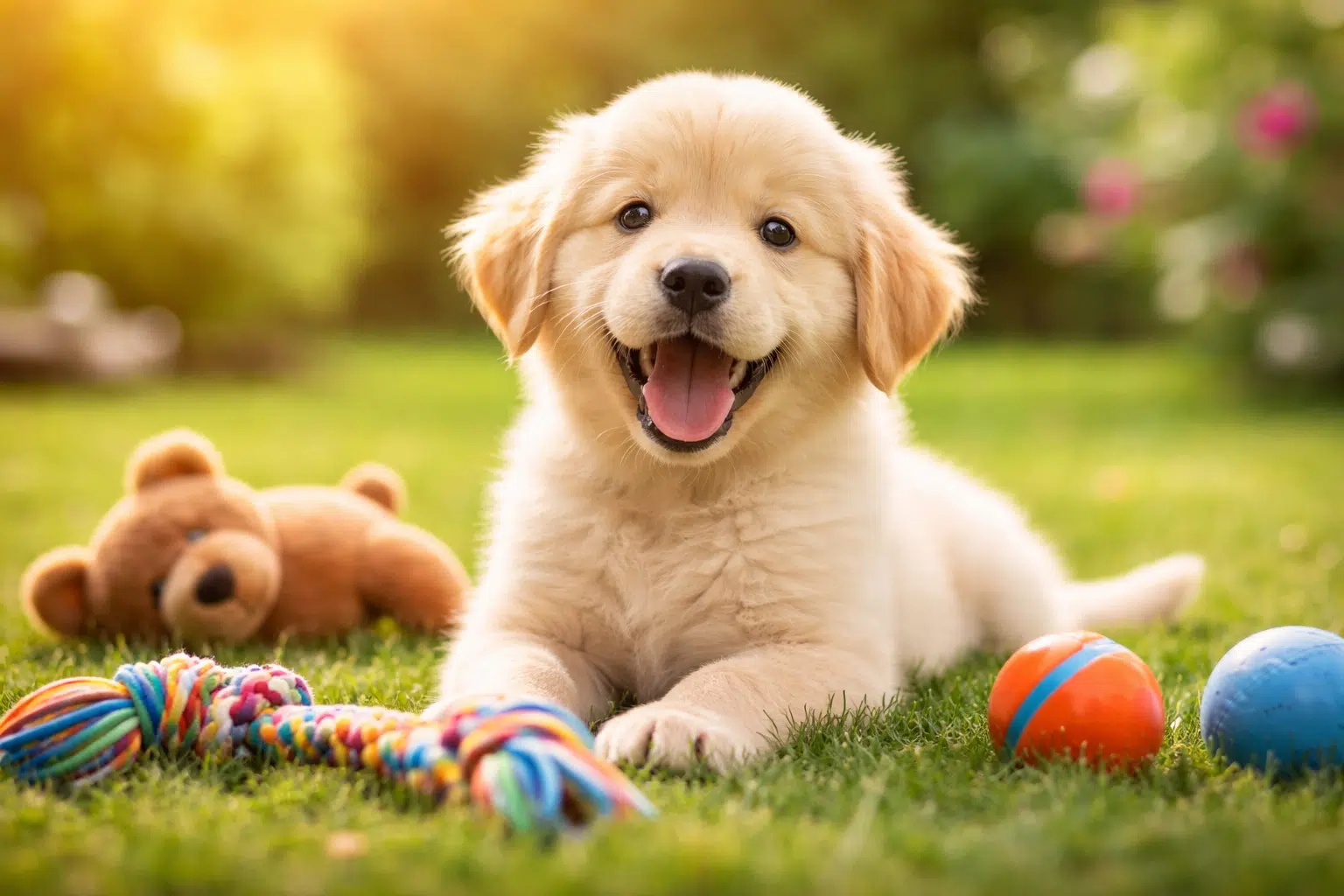
Puppies often seem unpredictable, bouncing from one behavior to another throughout the day. To many owners, actions like chewing furniture, chasing their tails, or suddenly sprinting around the house can appear random or even frustrating. In reality, most puppy behaviors have clear meanings connected to instinct, development, and communication. Because puppies cannot speak, they rely on body language, movement, and sounds to express how they feel and what they need. Learning to interpret these signals can help owners better understand their pets. When people recognize what their puppy is trying to communicate, they can respond more effectively and support healthy behavior as the puppy grows.
Why Puppies Communicate Through Behavior

Puppies communicate primarily through body language, vocal sounds, and physical actions rather than words. From the moment they are born, young dogs begin learning how to interact with the world around them by observing their mother and littermates. During these early weeks, behaviors such as tail wagging, playful biting, and barking start to develop as ways of expressing emotions and intentions. These signals help puppies interact with other animals and later with humans. Because dogs evolved as social animals, communication through behavior remains an essential part of how they build relationships.
Understanding these behavioral signals can help owners respond appropriately to their puppy’s needs. A puppy that jumps up or paws at someone may simply be seeking attention rather than trying to misbehave. Similarly, behaviors like barking or whining may be attempts to alert owners to something unusual or unfamiliar. When people learn to recognize the meaning behind these actions, it becomes easier to guide the puppy through training and social development. Clear communication between owner and dog often leads to stronger bonds and fewer behavioral problems over time.
Tail Wagging Is Not Always About Happiness

Tail wagging is commonly associated with a happy dog, but the movement can communicate a range of emotions. Puppies often wag their tails when they feel excited or friendly, especially during greetings or playtime. However, the position and motion of the tail can reveal more about what the puppy is feeling in that moment. A loose and relaxed wag usually signals comfort and enthusiasm, while a stiff wag may indicate uncertainty or heightened alertness. Observing the entire body posture can help determine what the tail movement truly represents.
Different types of tail wagging can signal different emotional states. A high, rigid wag may appear when a puppy encounters something unfamiliar or is feeling cautious. In contrast, a lower, sweeping wag combined with relaxed body language typically suggests a calm and friendly mood. Some puppies may also wag their tails quickly when they are overstimulated or overwhelmed by excitement. By paying attention to these subtle differences, owners can better interpret their puppy’s feelings and respond in ways that help them feel secure and understood.
Why Puppies Nip and Chew Everything

Nipping and chewing are among the most recognizable puppy behaviors, especially during the early months of development. Puppies naturally explore their environment with their mouths, much like human infants explore objects with their hands. During this stage, chewing helps them learn about textures, shapes, and objects in their surroundings. In addition, puppies go through a teething phase as their baby teeth fall out and adult teeth begin to grow. This process can cause discomfort, which often leads puppies to chew on furniture, shoes, or other household items.
Playful biting also plays an important role in social learning. When puppies interact with their littermates, they often bite gently during play as a way to practice communication and boundaries. Through these interactions, they learn bite inhibition, which helps them understand how much pressure is acceptable. Without proper outlets, puppies may continue this behavior with humans or other pets. Providing safe chew toys and guiding puppies toward appropriate objects can help satisfy their natural instincts while protecting household belongings.