Make Sure Your Dog Has Plenty Of Mental Stimulation

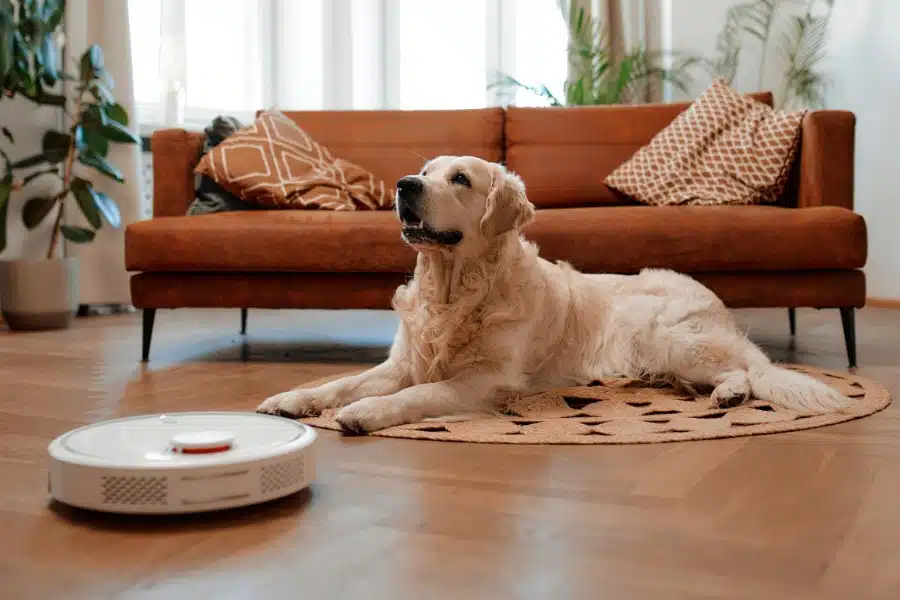
Your dog needs to constantly learn new things if you want to keep their attention away from negative behavior. If your pup is always getting new information, it’s less likely that they will act out inappropriately or aggressively when challenged by an intruder. For this reason, it’s essential to make sure your dog has plenty of toys that challenge them. This way, they don’t focus their aggression on people and learn to be more accepting.
Have Your Dog Practice Being Around People

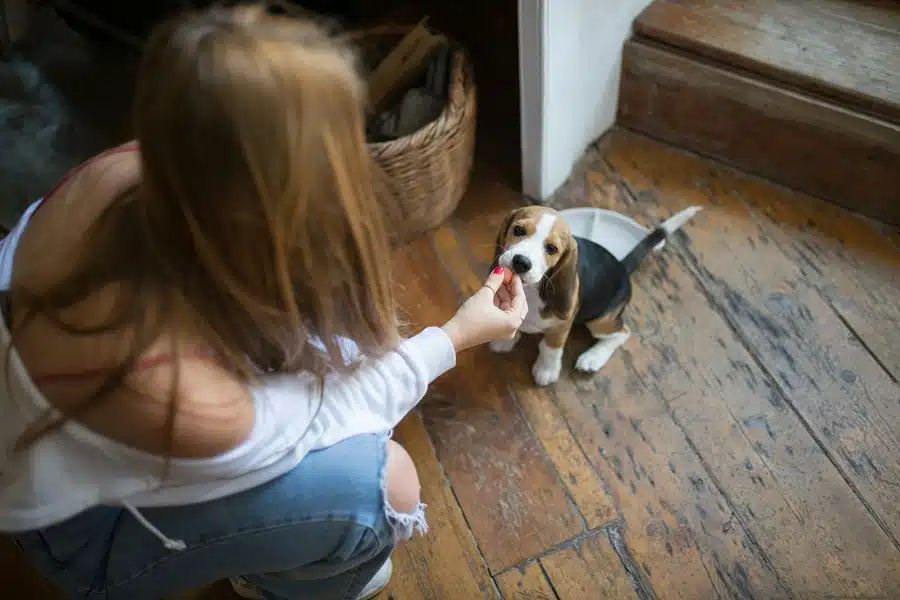
If your dog looks like it’s on edge or acts aggressively when someone new is around, you should train them to get used to the presence of people. You can do this by slowly introducing your dog to new people under safe circumstances in areas where they normally feel comfortable. If you can teach your dog that new people come with treats and fun toys, then it will be able to adapt much more quickly than if forced into a situation without warning.
Get Professional Training

If your dog is constantly acting out in defense of its territory, you might want to consider taking it to a professional for training. Many trainers are capable of working with dogs with this behavior problem, and they will be able to teach your pup techniques that can help them adjust more quickly when strangers are around. This can make life much easier for your dog and yourself. Additionally, trainers will be able to solve other issues that might be happening with your dog, along with the overly protective behavior.
Conclusion
If you have an overly protective dog, it’s important to note that just scolding them is not the answer. Instead, it would be best if you looked for ways to reinforce good behavior and help your pup relax. If you establish rules and boundaries early on with your pup, then they will be less likely to act out inappropriately as they get older. With the tips in this article, you should be able to find a solution to your dog’s overly protective behavior.