Contents
Air Travel Planning And Precautions

Flying with a dog requires careful research and realistic expectations. Not all dogs are suited for air travel, and airline policies vary widely. Size, breed, age, and health all influence whether flying is appropriate. Some dogs may travel in the cabin, while others must be placed in cargo under specific conditions.
Crate training is essential for air travel. Dogs should be comfortable spending extended periods in a crate long before the flight. Choosing direct flights whenever possible reduces handling and stress. Crates should be clearly labeled with contact information and meet airline size and ventilation requirements. Air travel decisions should always prioritize the dog’s safety and well being over convenience.
Choosing Dog Friendly Places To Stay

Not all accommodations welcome dogs, so confirming pet policies in advance is critical. Hotels, vacation rentals, and campgrounds often have specific rules regarding size, breed, number of pets, or additional fees. Reading policies carefully helps avoid unexpected restrictions or charges.
Once settled, allowing dogs time to explore the space helps them adjust. Checking the area for hazards such as exposed cords, unsecured balconies, or unfamiliar plants reduces the risk of accidents. Maintaining familiar feeding and walking routines helps dogs feel secure and adapt more quickly to new surroundings.
Managing Anxiety And Behavior While Traveling

Travel can trigger anxiety even in dogs that are calm at home. New sights, sounds, and smells may cause pacing, whining, or restlessness. Recognizing early signs of stress allows owners to intervene before behaviors escalate.
Consistency is key when managing anxiety. Feeding at regular times, maintaining walking schedules, and providing reassurance help create stability. Owners should remain calm, as dogs often mirror human emotions. A patient and relaxed approach encourages dogs to feel safe and confident, even in unfamiliar situations.
Keeping Your Dog Healthy On The Road

Health and safety should remain a priority throughout the trip. Dogs need regular access to fresh water, especially during long journeys or warm weather. Dogs should never be left alone in vehicles, even briefly, due to the risk of overheating.
Monitoring appetite, energy levels, and bathroom habits helps identify potential issues early. Sudden changes may signal stress, dehydration, or illness. Knowing the location of nearby veterinary clinics at travel destinations provides peace of mind. Staying attentive to health needs ensures dogs remain comfortable and safe while away from home.
Making Travel Enjoyable For Everyone
Traveling with a dog requires flexibility and patience. Trips may take longer, stops may be more frequent, and plans may need adjustment. Accepting these changes reduces frustration and helps maintain a positive experience.
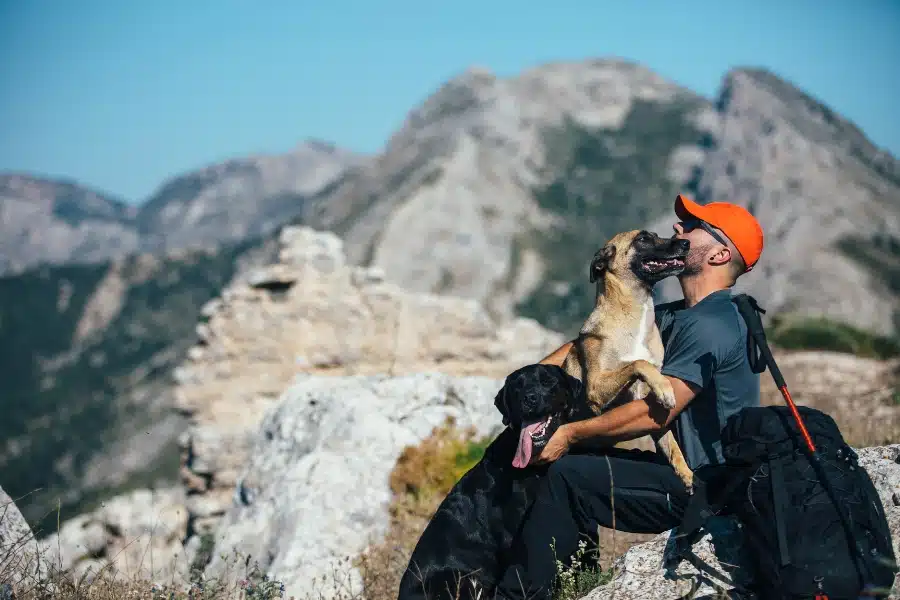
When dogs feel safe, prepared, and supported, travel becomes enjoyable rather than stressful. Thoughtful planning allows dogs to experience new environments while remaining comfortable and secure. With the right preparation and mindset, traveling with a dog strengthens the bond between owner and companion and creates lasting memories built on trust, patience, and care.