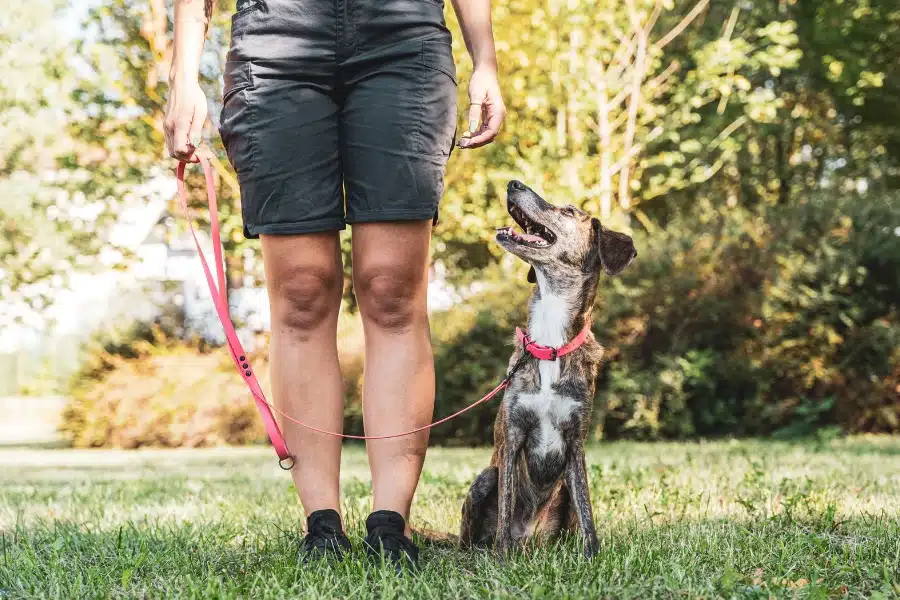
Dogs possess a rich tapestry of communication methods that extend beyond the bark. They convey their emotions and intentions through a diverse array of signals, including vocalizations, body language, and facial expressions. These cues are crucial for understanding and meeting the needs of your canine companion. This post delves into the distinctive communication styles of various dog breeds, providing insights into their unique ways of expressing themselves. Whether you are a new dog owner or looking to deepen your existing bond, understanding these styles will enhance your relationship with your beloved pet.
Contents
Understanding Canine Communication

Dogs communicate in ways that are often more complex than simple barks or tail wags. Vocalizations such as growls, whines, and howls carry different meanings depending on the situation. Body language also plays a critical role; a stiff posture might indicate alertness or aggression, while a relaxed body could signal contentment or submission. Facial expressions, too, are vital, as dogs can use subtle changes in their eyes and mouth to communicate. Recognizing these signs helps owners understand what their pets feel and need.
Observing a dog’s communication requires attention to detail and an understanding of the context. For example, a wagging tail paired with relaxed ears usually indicates happiness, whereas the same wagging tail with pinned-back ears could mean anxiety. This complexity is why understanding canine communication is essential for effective interaction and training. By learning to interpret these signals accurately, owners can prevent misunderstandings and build a stronger bond with their dogs.
Labrador Retrievers

Labrador Retrievers are known for their friendly demeanor and expressive communication style. They are often vocal, using barks and whines to express their feelings and desires. These sounds can indicate anything from excitement about a walk or mealtime to anxiety or the need for attention. Labs are also very expressive through their body language, often wagging their tails vigorously and maintaining an open, approachable posture when happy or excited.
Additionally, Labrador Retrievers use their eyes and facial expressions to communicate. Their big, often pleading eyes can be particularly effective in communicating their needs or desires to their owners. This breed’s communication style is straightforward and generally easy to interpret, making them excellent companions, especially for families with children. Understanding a Lab’s vocal and body cues can significantly enhance the interaction and care they receive from their human counterparts.
German Shepherds

German Shepherds are known for their protective nature, often communicating through a confident and assertive style. They use a strong, often deep bark to alert their owners to potential threats or to ward off strangers. This breed is highly attentive, and their upright and alert posture typically indicates their protective stance. They are also known to be reserved, especially around strangers, using subtle body language to express caution or suspicion.
Their communication extends beyond vocalizations to include significant use of eye contact and ear positioning. A German Shepherd’s ears are highly expressive, standing erect when alert and tilting slightly back when relaxed or submissive. Their intense stare can serve as a warning or a sign of curiosity, depending on the context. Owners of German Shepherds need to understand these cues to interpret their dog’s behavior accurately, enhancing safety and the bond between them.
Beagles

Beagles, originally bred as scent hounds, have a unique communication style heavily influenced by their sense of smell. They often use their noses to explore and understand their environment, which can sometimes lead them to become distracted or seemingly ignore vocal commands. When they pick up an interesting scent, Beagles may vocalize through baying—a loud, prolonged bark that can serve as communication during hunting or as an alert to their owners.
This breed’s vocalizations are distinctive and can indicate various states of mind. Baying, in particular, is usually a sign of excitement or discovery, whereas a low, mournful howl might indicate loneliness or distress. Owners can better manage a Beagle’s behavior by understanding the meanings behind these sounds and the situations that trigger them. Recognizing how scent plays into their daily communication helps in providing a fulfilling environment and effective training for these curious dogs.
Siberian Huskies

Siberian Huskies are less reliant on vocal communication compared to other breeds, often expressing themselves through their actions and playfulness. This breed tends to be very expressive with their movements, using their entire bodies to show excitement or happiness, such as bounding or spinning around when pleased. Huskies also communicate discomfort or annoyance by turning away or positioning their body in such a way as to avoid contact, which is more subtle than vocal complaints. However, their playful actions are not just ways to express emotions but also invitations to engage with them, making them highly interactive pets.
Facial expressions are another significant aspect of how Huskies communicate. Their striking eyes and varied facial markings can make their expressions particularly noticeable. A relaxed face with soft eyes in a Husky often means contentment, while furrowed brows or hard stares could indicate focus or alertness. Understanding these visual cues is crucial for owners to gauge their pet’s mood and intentions, helping to manage interactions and activities that keep both the dog and owner happy and healthy.
Boxers

Boxers are renowned for their expressive faces and high energy levels, using both to communicate with those around them. They are able to convey a wide range of emotions through facial expressions; for example, a wrinkled forehead might show confusion or curiosity, while wide eyes and a slightly open mouth could indicate excitement or playful intent. Their body language is equally expressive, often using jumps and leans to invite play or show affection. Owners of Boxers quickly learn that these dogs wear their hearts on their sleeves, or more accurately, their faces and postures.
Physical gestures like nudging with the nose or pawing at their owners are common communication methods for Boxers. These actions can serve multiple purposes, from seeking attention to prompting their owner for food or a walk. They also utilize a variety of vocalizations, from barks to whines, to express needs or respond to their environment. For potential and existing Boxer owners, understanding these energetic and overt cues can significantly enhance the communication and bond between them.
Border Collies

Border Collies are among the most intelligent of dog breeds, known for their ability to understand and respond to numerous commands and cues from their human companions. Their communication style is refined and deliberate, often using subtle body language and eye contact to convey their needs or intentions. A Border Collie might use a pointed look or slight movement toward an object or direction as a way to communicate what they want or where they want to go. This breed’s sensitivity to human cues makes them exceptional at tasks requiring precision and obedience, such as herding or agility competitions.
In addition to their responsiveness to human communication, Border Collies also use their posture and facial expressions to speak to their owners. They might crouch low when they are focused or excited about a task, signaling readiness and eagerness. Their ears are also very expressive, moving back when relaxed and forward when alert. Owners who can interpret these subtle signals will find training and interacting with Border Collies to be a highly rewarding experience, as these dogs thrive on mutual understanding and teamwork.
French Bulldogs

French Bulldogs are less vocal than many other breeds but are highly expressive through their body language and facial expressions. Due to their brachycephalic (flat-faced) nature, French Bulldogs are not as prone to barking, which makes their non-vocal cues even more crucial to understand. They often rely on their expressive, bulging eyes and the movement of their ears to show excitement, curiosity, or concern. Small changes in posture or the tilt of their head can also be significant, indicating their interest or engagement with their surroundings or their people.
French Bulldogs communicate a lot through their presence and touch. They may seek physical closeness when they desire attention or comfort, pressing their bodies against their owners or curling up snugly beside them. This breed’s quiet and subtle form of communication makes them ideal pets for those who appreciate a less noisy companion but still want an expressive and loving dog. Recognizing and responding to these quiet cues helps deepen the bond between French Bulldogs and their owners, fostering a nurturing and empathetic relationship.
A Deeper Connection Awaits
While each dog breed has its own unique way of communicating, the ability to interpret these signals is fundamental to nurturing a strong and fulfilling relationship with your dog. Recognizing and understanding the diverse expressions of emotions and intentions among different breeds not only aids in effective training but also deepens the emotional connection. By attuning to these nuances, you ensure a happier, healthier life for your canine companion and truly become the best friend your dog needs.