Pumpkin is a seasonal delight for humans and a nutrient-packed addition to a dog’s diet. Pet owners are increasingly discovering the myriad health benefits this humble vegetable offers their furry friends. Rich in essential vitamins, minerals, and fiber, pumpkin can play a pivotal role in maintaining a dog’s digestive health, weight, and overall well-being. Beyond its nutritional value, pumpkin’s versatility in preparation makes it an appealing supplement for dogs of all sizes and breeds. This article delves into why incorporating pumpkin into your dog’s diet can contribute to their health and happiness, providing pet owners with practical advice on how to do so effectively.
Digestive Health
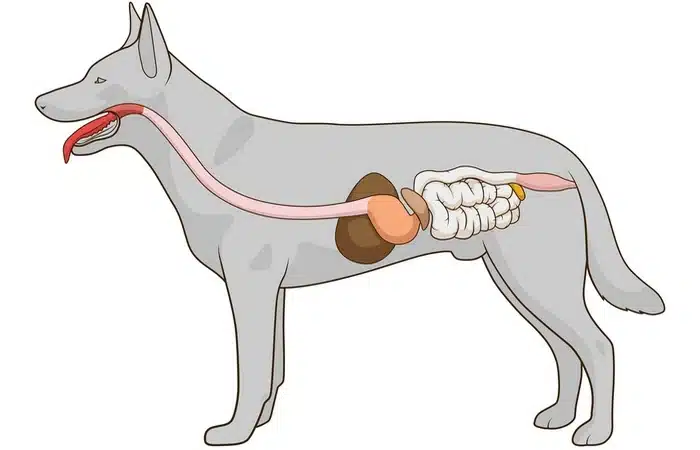
Pumpkin’s high fiber content is a boon for dogs experiencing digestive issues. Fiber aids in the smooth transition of food through the digestive tract, helping to alleviate constipation by absorbing water and adding bulk to the stool. Similarly, pumpkins can help solidify stools for dogs suffering from diarrhea by absorbing excess water in the gut. This dual action makes pumpkin an excellent dietary addition for managing common gastrointestinal troubles in dogs.
Furthermore, the soluble fiber in pumpkin acts as a prebiotic, feeding beneficial gut bacteria and promoting a healthy microbiome. A balanced gut flora is crucial for optimal digestion and nutrient absorption, ensuring dogs get the most out of their meals. Regularly including pumpkin in a dog’s diet can, therefore, support digestive health and prevent the discomfort associated with imbalances in the gut.
Weight Management

Pumpkin’s low-calorie yet nutrient-dense composition offers a satisfying yet healthy treat option for dogs on a weight management plan. Its high fiber content contributes to feelings of fullness, reducing the urge to overeat. This can be particularly beneficial for dogs prone to obesity, helping them maintain a healthy weight without compromising nutritional intake.
Incorporating pumpkin into the diet of overweight dogs provides a way to reduce caloric intake while still delivering essential nutrients. By replacing a portion of their regular food with pumpkin, pet owners can lower the overall calorie content of their dog’s meals, aiding in gradual and healthy weight loss. This strategy and regular exercise can significantly improve a dog’s weight management and overall health.
Nutritional Benefits

Pumpkin is packed with vitamins such as A, C, and E, essential for maintaining a dog’s immune system, skin health, and vision. Vitamin A, in particular, is crucial for eye health, while Vitamin C boosts the immune system, and Vitamin E supports skin and coat health. These antioxidants also play a role in combating the effects of aging, making pumpkin a valuable addition to the diet of senior dogs.
Moreover, pumpkins contain important minerals like potassium and iron, which support heart health and oxygen transportation in the blood. Including pumpkin in a dog’s diet ensures they receive a well-rounded infusion of essential nutrients, supporting their health and overall vitality.
Hydration

Pumpkin’s high water content makes it an excellent source of hydration for dogs, particularly those that may not drink enough water on their own. Proper hydration is crucial for maintaining healthy kidney function and aiding digestion and absorption of nutrients. The moisture in pumpkin can help prevent dehydration and its associated risks, making it an especially valuable dietary addition in warmer months.
Beyond aiding in hydration, the water content in pumpkin helps in the smooth processing of food through the gastrointestinal tract, further supporting digestive health. This makes pumpkin a multi-faceted addition to a dog’s diet, contributing to their hydration needs while supporting gut health and preventing digestive issues.