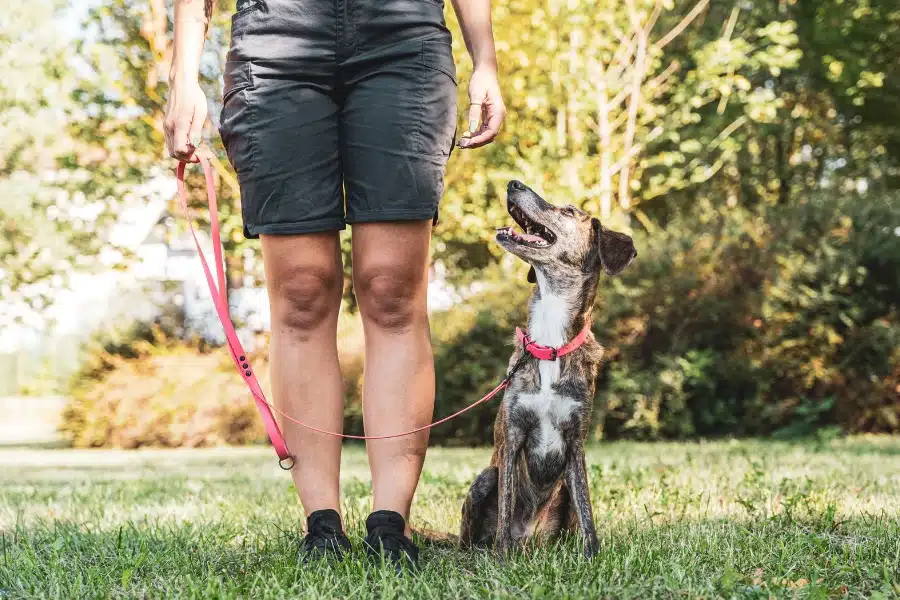
When you look at two different dog breeds side by side, it’s quite clear that while they both might be dogs, they have major differences. Whether it is the apparent difference in appearance or even a difference in size and temperament, these characteristics are what make each unique. But what may not be obvious at first sight is how different dogs have different levels of trainability. And if you’re looking to adopt a new pup, it pays to understand which are the most difficult dog breeds to train and why.
Contents
The Process Of Training A New Dog

Training a new pup can be an intimidating yet rewarding experience. It requires patience, consistency, and commitment in order to achieve the desired results. First and foremost, it’s important to determine what kind of training you’d like to do with your pup and ensure everyone involved is on the same page before starting. It’s useful to decide what specific commands and behaviors you wish to practice and learn with your new companion–such as sit, stay, come, heel – so that they become common responses whenever the command is given.
Additionally, setting clear boundaries and expectations ahead of time can help set up positive reinforcement techniques for both yourself and your furry friend. Training is ultimately an ongoing process; although milestones are reached when first mastering basic commands and behaviors, a consistent routine helps ensure that your pup remains accustomed to following directions in different scenarios down the road.
The Most Difficult Dog Breeds To Train
As simple as it may sound in theory, not all dogs are the same in terms of trainability. Through genetics and selective breeding, certain breeds have been developed over time to be more independent or difficult to train than others. Here is a list of some of the most challenging canines to work with:
Bullmastiffs

Bullmastiffs are a strong-willed breed of dog and can prove difficult to train if you don’t take the proper steps and techniques. Patience is key when training a bullmastiff, as they must first learn to recognize a particular command before they can adequately respond. Along with patience, staying consistent in your approach is another key factor. Bullmastiffs will pick up on inconsistency and, as a result, may become confused or unmotivated to obey commands.
Finally, an essential factor in training a bullmastiff is providing them with positive reinforcement. Giving them rewards such as verbal praise or treats when they perform desired behavior is best. If you implement these approaches effectively, you will be well on your way to having a trained bullmastiff that adheres to their instructions.
Rottweilers

Rottweilers are a complex breed of dog, and it takes someone dedicated and knowledgeable to successfully train them. This is because they are truly independent thinkers who can often be stubborn and defy authority, making them difficult to manage. Additionally, Rottweilers require consistency and repetition in training, or else they won’t pick up the necessary behaviors.
Without the right tools and attitude, attempts at training a Rottweiler can quickly become frustrating. However, despite these challenging aspects, with care and patience, Rottweilers can bond strongly with their owners and learn valuable life skills.