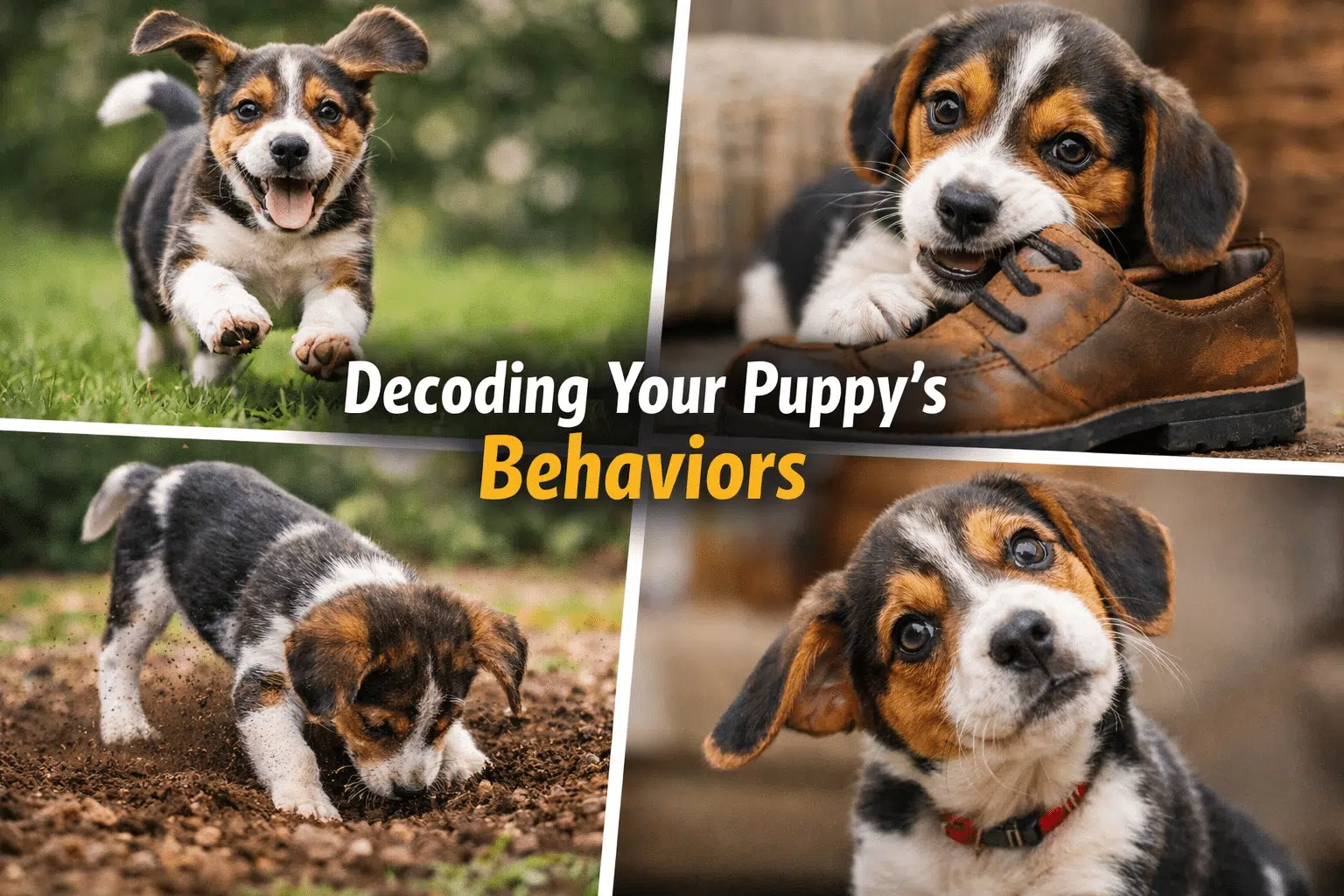
Puppies have endless energy, and when it has nowhere to go, it often shows up as chewing, zooming, or nonstop mischief around the house. Outdoor play is not always possible, which makes indoor games an essential part of raising a happy, well behaved puppy. The right activities do more than burn energy. They build confidence, strengthen training, and provide the mental stimulation puppies need to stay calm and focused. With a little creativity, indoor play can be just as effective and rewarding as time spent outside.
Contents
- 1 Hide And Seek Games
- 2 Tug Of War With Rules
- 3 Indoor Fetch Variations
- 4 Puzzle Toys And Treat Games
- 5 Training Games That Feel Like Play
- 6 Chase And Follow Games
- 7 Scent Work And Nose Games
- 8 Interactive Play Using Household Items
- 9 Why Mental Stimulation Matters Indoors
- 10 Creating A Balanced Indoor Play Routine
- 11 Final Thoughts
Hide And Seek Games
Hide and seek is one of the simplest yet most effective indoor games for puppies. This game encourages movement, listening skills, and problem solving all at once. One person can gently hold the puppy while another hides somewhere in the house. Calling the puppy’s name and encouraging them to search builds excitement and reinforces recall skills in a fun, low pressure way.
As puppies move from room to room sniffing and searching, they burn energy while using their natural instincts. This game works especially well for curious puppies who enjoy exploring. Adding treats or enthusiastic praise at the end keeps motivation high. Over time, hide and seek helps puppies develop confidence and focus while turning everyday spaces into engaging play zones.
Tug Of War With Rules
Tug of war is a powerful indoor game when played correctly. It allows puppies to release physical energy and engage their muscles without requiring a lot of space. The key to tug of war is structure. Using a designated tug toy and setting clear rules keeps the game safe and positive.
Teaching simple cues such as start, stop, and drop helps puppies practice impulse control while playing. Short tug sessions can quickly tire out even energetic puppies. When the game ends calmly and predictably, puppies learn that excitement can be turned on and off. This makes tug of war a valuable outlet rather than a source of bad habits.
Indoor Fetch Variations
Fetch is often thought of as an outdoor activity, but it can be adapted for indoor play with the right setup. Hallways, open living rooms, or carpeted areas work well for short fetch sessions. Using soft toys, plush balls, or rolled socks reduces the risk of damage or injury.
Instead of throwing the toy, gently rolling it along the floor keeps movement controlled. Adding structure by asking the puppy to sit before each toss increases mental engagement. Even brief fetch sessions provide bursts of physical activity that help burn off excess energy while reinforcing basic training skills.
Puzzle Toys And Treat Games
Mental exercise can be just as tiring as physical play, especially for intelligent or high energy puppies. Puzzle toys challenge puppies to think, sniff, and problem solve in order to access treats or kibble. These games slow down fast eaters and keep puppies occupied for extended periods.
Simple homemade games work just as well. Treats hidden under cups, inside folded towels, or in cardboard boxes encourage puppies to use their noses and brains. These activities tap into natural foraging instincts and reduce boredom driven behaviors. Puppies often relax and settle after intense mental play, making puzzle games ideal for indoor energy management.
Training Games That Feel Like Play
Short training sessions disguised as games are excellent for burning energy indoors. Puppies love learning when training feels interactive and rewarding. Teaching basic cues such as sit, down, stay, spin, or touch engages both the body and mind.
Using treats, toys, and praise keeps puppies motivated and focused. Even five to ten minutes of training can significantly reduce excess energy. Training games also strengthen communication and trust, which makes everyday interactions smoother as the puppy grows. These sessions help puppies burn energy while building skills that last a lifetime.
Chase And Follow Games
Controlled chase games allow puppies to move quickly without encouraging bad habits. Rather than letting puppies chase people, using toys on ropes or flirt poles designed for indoor use provides a safe alternative. These tools allow puppies to chase, pounce, and grab while maintaining control.
Chase games help puppies practice coordination, balance, and self control. Keeping sessions short prevents overstimulation. Ending the game with a calm activity such as a sit or chew toy helps puppies transition from excitement to relaxation. When structured properly, chase games burn energy efficiently and safely.
Scent Work And Nose Games
A puppy’s sense of smell is incredibly powerful, and scent based games are among the most effective ways to burn energy indoors. Hiding treats around a room and encouraging the puppy to sniff them out provides intense mental stimulation.
These games require focus and patience, which naturally tires puppies out. Scent work is especially beneficial for breeds that thrive on problem solving. Over time, nose games build confidence and reduce anxiety by giving puppies a productive outlet for their instincts. A puppy that has worked their nose often becomes calm and content afterward.
Interactive Play Using Household Items
Indoor games do not require expensive toys or equipment. Everyday household items can become engaging play tools when used safely and under supervision. Empty boxes can be turned into tunnels, plastic bottles without caps can roll unpredictably, and rolled towels can hide treats.
Creating simple obstacle courses encourages movement, exploration, and confidence. Rotating objects keeps playtime interesting and prevents boredom. Supervised interaction ensures safety while allowing puppies to adapt to new challenges. These games help puppies learn problem solving skills while burning energy creatively.
Why Mental Stimulation Matters Indoors
Many owners focus only on physical exercise, but mental stimulation is just as important for puppies. Mental fatigue often leads to better behavior than physical exhaustion alone. Puppies that are mentally engaged are less likely to seek stimulation through destructive behaviors.
Combining thinking games with physical movement creates balanced play sessions. Puppies learn to focus, follow cues, and relax after play. Mental stimulation also supports healthy brain development and builds resilience as puppies grow.
Creating A Balanced Indoor Play Routine
The most effective way to burn puppy energy indoors is through variety and consistency. Rotating games keeps puppies interested and prevents overexcitement. Short, structured sessions spread throughout the day work better than one long play period.
Mixing physical games, training, and scent work helps address different needs. Puppies benefit from predictable routines that include play, rest, and calm activities. A balanced approach prevents overstimulation and supports healthy emotional regulation.
Final Thoughts
Burning puppy energy indoors is not about wearing a puppy out completely, but about meeting their physical and mental needs in positive ways. Games like fetch, tug, chase, and hide and seek release built up excitement, while puzzles, training, and scent work provide deep mental satisfaction. When these activities are combined thoughtfully, puppies become calmer, more focused, and easier to live with. Indoor games turn limited space into an opportunity for learning, bonding, and healthy development. With creativity, structure, and consistency, indoor play becomes one of the most valuable tools for raising a happy, balanced puppy.