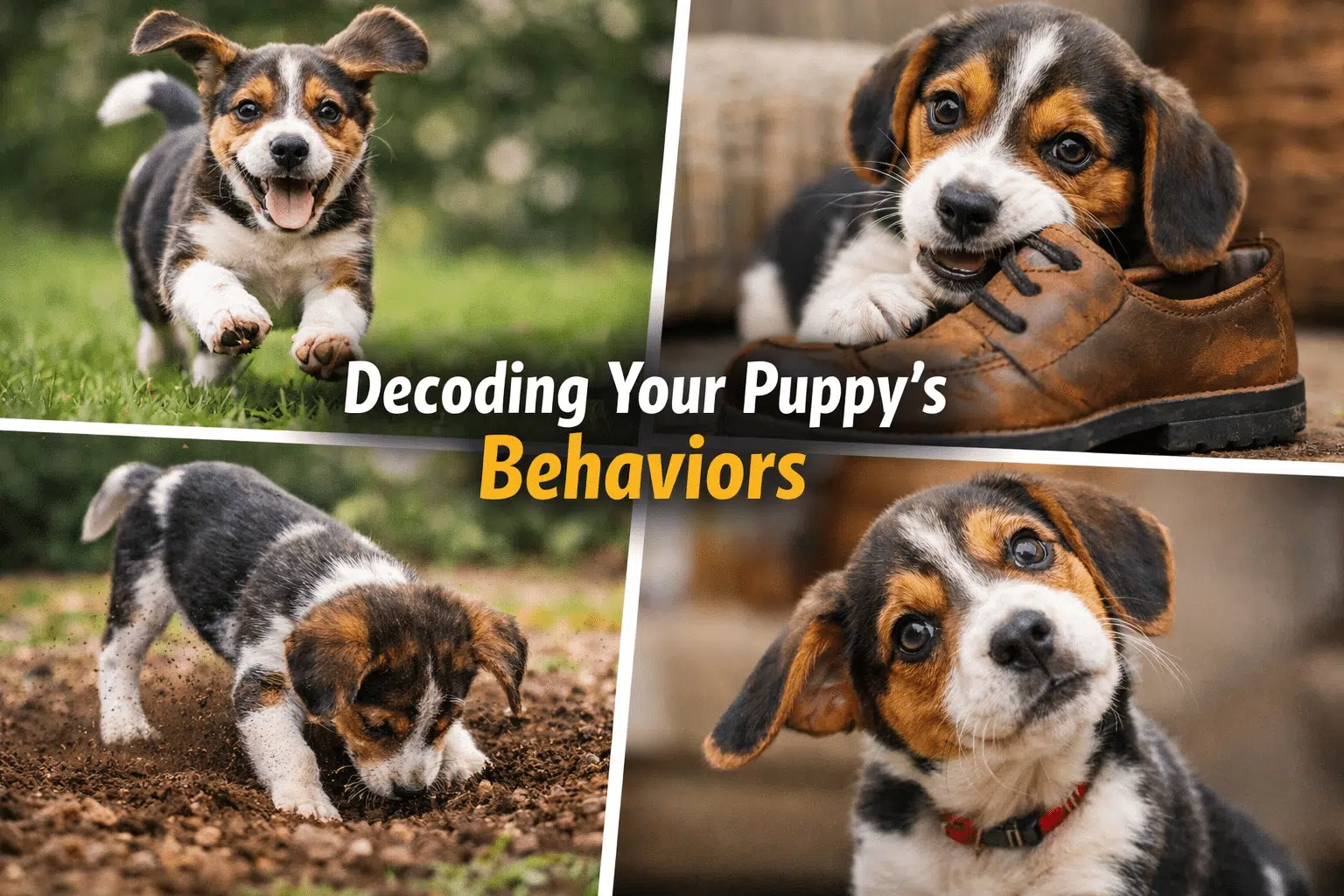
Bringing a new puppy into your home is an exciting and joyful experience, but it also comes with significant responsibilities. Training is one of the most critical aspects of raising a happy and well-adjusted dog, yet many new owners unknowingly make mistakes that can lead to behavioral challenges. These missteps often stem from a lack of understanding about a puppy’s needs and how they learn best. Recognizing these common pitfalls can make a world of difference in building a strong bond with your furry friend. In this article, you’ll explore the most frequent puppy training mistakes and learn practical tips to help you avoid them.
Skipping Socialization

Socialization is a cornerstone of raising a well-adjusted puppy, yet it’s often overlooked. Puppies have a critical socialization window between 3 and 14 weeks, during which they are most open to new experiences. Failing to expose them to different people, animals, and environments during this time can result in fear and anxiety later in life. A well-socialized puppy is more likely to handle changes and challenges with confidence, making your life as an owner much easier. Positive early experiences are key to creating a balanced and happy dog.
New puppy owners often avoid socialization out of fear of overwhelming their pet or exposing them to health risks. However, careful planning can ensure socialization is both safe and effective. Controlled settings like puppy classes or small, supervised playdates with vaccinated dogs can be invaluable. Gradual exposure to everyday stimuli, such as car rides or meeting friendly neighbors, helps puppies adapt without stress. By prioritizing socialization early, you’re laying the foundation for a dog that thrives in any situation.
Being Inconsistent with Training

Consistency is the backbone of effective puppy training, but it’s a common area where new owners falter. Puppies are creatures of habit, and mixed signals from their owners can cause confusion and frustration. For example, allowing your puppy on the couch one day but scolding them for it the next sends conflicting messages. Clear, consistent rules help puppies understand what is expected of them and reduce stress for everyone involved. Establishing household rules early prevents unwanted behaviors from taking root.
Inconsistency often arises when multiple people are involved in training a puppy. It’s important for all family members to use the same commands and follow the same rules. This unified approach helps puppies learn faster and reduces the chance of setbacks. Creating a simple training plan that everyone follows ensures that your puppy receives clear guidance. With time and repetition, consistent training becomes second nature, resulting in a well-behaved companion.
Relying Too Much on Punishment

Using punishment as the primary training method can lead to unintended consequences. While it might seem effective in the short term, punishment often creates fear and damages the trust between you and your puppy. Puppies don’t naturally understand why they are being punished; they may simply associate you with negative experiences. Positive reinforcement, where desired behaviors are rewarded, is far more effective and strengthens the bond you share with your pet.
Instead of focusing on punishment, redirect your puppy’s behavior and reward good choices. For example, if your puppy chews on furniture, provide a chew toy and praise them when they use it. Timing is essential—praise or correct behavior immediately so your puppy makes the connection. Non-punitive methods, like calmly removing your puppy from a situation, teach them without instilling fear. By focusing on positive training techniques, you’ll foster a confident and well-mannered puppy.