Training a dog is a rewarding journey, but even well-meaning owners can make mistakes that lead to unintended consequences, including aggression. Dogs rely on their owners for guidance, structure, and clear communication, and any missteps in these areas can result in confusion or behavioral issues. Aggression, whether fear-based or dominance-related, is often a response to environmental triggers or improper handling during training. Understanding the common pitfalls in dog training is essential for building a healthy and harmonious relationship with your pet. This article explores the most frequent mistakes dog owners make and how to avoid them to ensure a well-behaved and confident dog.
Failing to Establish Leadership

Dogs are pack animals by nature and thrive in environments where leadership is clear and consistent. Without a strong sense of leadership, they may feel the need to assert themselves, which can manifest as dominance or even aggressive behavior. Owners who fail to set firm but fair boundaries often find their dogs becoming unruly or defensive when their role in the household feels uncertain. Establishing leadership doesn’t mean harsh discipline; rather, it means creating a structured environment where your dog knows what is expected of them. Consistency in commands, rules, and behavior is key to fostering trust and preventing confusion.
Inconsistent leadership can lead to frustration for both the dog and the owner. For example, allowing a dog to jump on guests one day but scolding them for it the next sends mixed signals. This unpredictability can cause the dog to become anxious or assertive in an attempt to understand their place. By maintaining consistent expectations and rewarding good behavior, owners can help their dogs feel secure and reduce the likelihood of dominance-related aggression.
Relying on Punishment Over Positive Reinforcement

Using punishment as the primary method of training may seem effective initially, but it often backfires by fostering fear and aggression. Dogs subjected to harsh corrections can become anxious, leading to defensive behaviors such as growling or snapping. Punishment-based training not only damages the bond between the owner and the dog but also fails to teach the desired behavior effectively. Instead, focusing on positive reinforcement encourages dogs to repeat good behaviors because they associate those actions with rewards and praise.
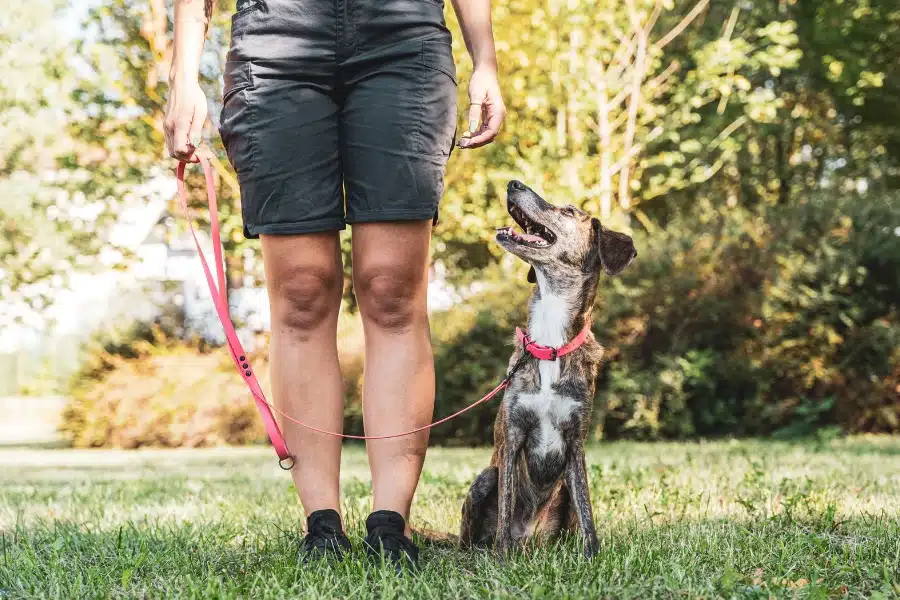
Positive reinforcement is a powerful tool that builds trust and strengthens the human-dog relationship. For instance, rewarding a dog for sitting calmly instead of jumping on visitors helps redirect their energy toward acceptable behavior. Over time, this approach shapes their habits and reduces the need for corrections altogether. Owners who rely solely on punishment miss the opportunity to create a more confident and well-adjusted dog, increasing the risk of behavioral problems, including aggression.
Ignoring Early Signs of Aggression

Aggressive behavior rarely develops overnight. Subtle warning signs often precede more serious issues, but many owners fail to recognize or address them in time. Behaviors such as growling, snapping, or prolonged staring are early indicators that a dog is feeling uncomfortable or threatened. Ignoring these signs allows the behavior to escalate, making it harder to manage later on. Early intervention, including professional training or behavioral assessments, is crucial in addressing these tendencies before they become ingrained.
By addressing aggression in its early stages, owners can help their dogs feel more secure and reduce triggers that lead to negative reactions. For example, if a dog growls when approached while eating, this behavior can be managed by teaching them to associate human presence with positive experiences, such as receiving treats. Ignoring these moments, however, reinforces the dog’s belief that aggression is necessary for self-protection. Taking proactive steps not only helps mitigate potential dangers but also ensures a safer environment for everyone involved.