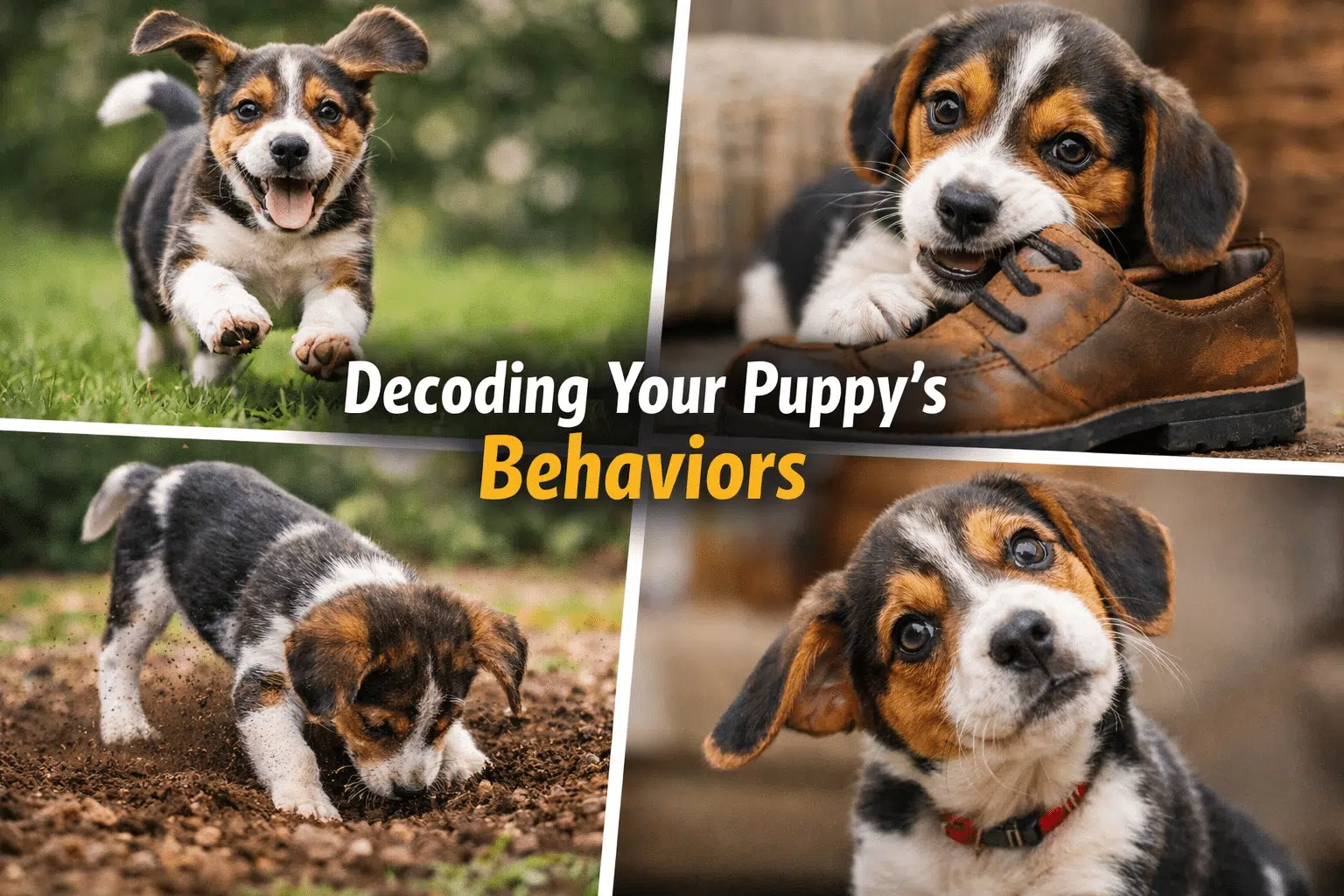
Bringing a new puppy home is an exciting experience, but the first week plays a critical role in shaping behavior, comfort, and long-term development. During this time, puppies are adjusting to a completely new environment, new people, and unfamiliar routines. Many new owners focus on the excitement and overlook small decisions that can impact training and stress levels. While mistakes are common, they can influence how quickly a puppy adapts and learns. Understanding what to avoid during this early stage can help create a smoother transition and set a strong foundation for healthy habits, consistent behavior, and a more confident, well-adjusted dog over time.
Contents
- 1 Bringing a Puppy Home Without a Routine
- 2 Giving Too Much Freedom Too Soon
- 3 Give Your Puppy a Strong Start From Day One
- 4 Handling Accidents the Wrong Way
- 5 Skipping Early Socialization
- 6 Encouraging Bad Habits Without Realizing It
- 7 Feeding the Wrong Way in the First Week
- 8 Delaying Basic Training and Vet Care
- 9 Building Better Habits From the Very Beginning
Bringing a Puppy Home Without a Routine

The first week with a puppy often feels unpredictable, but a lack of structure can make the adjustment even more difficult. Puppies rely heavily on consistency to understand their new environment and feel secure. Without a routine, they may struggle to learn when to eat, sleep, or go outside, which can lead to confusion and increased anxiety. Establishing predictable patterns early helps reduce stress and gives the puppy clear expectations throughout the day.
Creating a routine does not need to be complicated, but it should be consistent. Feeding should occur at the same times each day, followed by regular potty breaks to reinforce good habits. Sleep schedules also play an important role, as puppies need significant rest to support growth and development. When these daily activities follow a predictable pattern, puppies begin to adapt more quickly and are more likely to develop stable behaviors in the weeks ahead.
Giving Too Much Freedom Too Soon

Allowing a new puppy to roam freely throughout the home may seem harmless, but it often leads to problems early on. Puppies are naturally curious and tend to explore their surroundings by chewing, sniffing, and testing boundaries. Without supervision or limits, they can quickly develop destructive habits or encounter unsafe objects. This lack of control also increases the likelihood of accidents, as puppies have not yet learned where it is appropriate to go.
Limiting space during the first week can help prevent these issues and make training more effective. Using tools like crates, playpens, or gated areas allows the puppy to explore safely while still maintaining boundaries. Gradually expanding access to different parts of the home as behavior improves helps reinforce good habits. This approach not only protects the home but also teaches the puppy how to behave appropriately in different environments over time.
Give Your Puppy a Strong Start From Day One

- DAILY NUTRITION FOR PUPPIES – These puppy vitamins…
- NURTURES SKIN VITALITY & COAT SHINE – Our chew…
- SUPPORTS BONE GROWTH & DEVELOPMENT – Fortified…
Handling Accidents the Wrong Way

Accidents are a normal part of the early stages of puppy training, but how they are handled can make a significant difference. Reacting with frustration, yelling, or punishment can create fear and confusion rather than teaching the puppy what is expected. Puppies do not immediately understand rules, and negative responses can make them anxious or hesitant around their owners. This can slow down the learning process and make training more challenging.
A more effective approach focuses on guidance and reinforcement rather than punishment. Taking the puppy outside frequently and rewarding successful potty behavior helps build a clear connection between actions and outcomes. Recognizing early signs, such as sniffing or circling, can also prevent accidents before they happen. Over time, consistent and calm responses help the puppy understand expectations, leading to faster progress and a more positive training experience overall.
Skipping Early Socialization

The first week with a puppy is not just about settling in, it is also the beginning of an important developmental period for socialization. Puppies are especially receptive to new experiences during their early weeks, and limited exposure can lead to fear or anxiety later in life. Avoiding new environments, sounds, or interactions may seem protective, but it can prevent the puppy from building confidence. Early socialization helps puppies learn that unfamiliar situations are not threats, which supports more stable behavior as they grow.
Introducing new experiences should be done gradually and in a controlled way to avoid overwhelming the puppy. Exposure can include different surfaces, household noises, and calm interactions with people or other animals. Short, positive experiences are more effective than long or intense ones, as they help build comfort without stress. When handled properly, early socialization contributes to a more adaptable and confident dog that can handle a variety of situations with ease.
Encouraging Bad Habits Without Realizing It

Many behaviors that seem harmless or even cute in a young puppy can quickly become problematic if reinforced early on. Puppies learn through repetition and response, so actions like jumping, nipping, or begging can become habits if they consistently get attention. For example, allowing a puppy to jump when greeting people may seem playful at first, but it can turn into an ongoing issue as the dog grows larger. These patterns often develop unintentionally, simply because the behavior was not corrected early.
Consistency in responses is essential to prevent these habits from forming. Ignoring unwanted behaviors and rewarding calm, appropriate actions helps guide the puppy toward better choices. Redirecting behaviors, such as providing a chew toy instead of allowing biting during play, also reinforces acceptable alternatives. Over time, these consistent reactions help shape behavior in a way that prevents long-term issues and supports a more manageable and well-behaved dog.
Feeding the Wrong Way in the First Week

Feeding practices during the first week can have a direct impact on a puppy’s digestion, energy levels, and overall health. Sudden changes in diet are a common mistake, especially when switching food immediately after bringing the puppy home. This can lead to digestive upset, including diarrhea or loss of appetite, which adds unnecessary stress during an already significant transition. Maintaining the same food the puppy was previously eating helps create stability while they adjust to their new environment.
In addition to consistency, portion control and feeding frequency are important factors to consider. Overfeeding or providing too many treats can lead to unhealthy weight gain and disrupt normal eating patterns. Puppies benefit from scheduled meals rather than free feeding, as it supports both digestion and potty training routines. Establishing proper feeding habits early helps promote steady growth, balanced nutrition, and a more predictable daily schedule.
Delaying Basic Training and Vet Care

The first week with a new puppy is often seen as a time to relax and let them settle in, but delaying basic training can make future progress more difficult. Puppies begin learning from the moment they enter a new environment, and early guidance helps shape how they respond to people, routines, and boundaries. Waiting too long to introduce simple commands or expectations can lead to confusion and inconsistent behavior. Even basic cues such as sit, come, or responding to their name can begin right away in short, positive sessions.
Veterinary care is equally important during this early stage and should not be postponed. Scheduling an initial checkup helps ensure the puppy is healthy, up to date on vaccinations, and free from underlying issues that may not be immediately visible. Early visits also provide an opportunity to discuss feeding, behavior, and preventative care with a professional. Monitoring for signs such as low energy, digestive problems, or unusual behavior during the first week can help identify concerns early, allowing for timely care and a smoother adjustment overall.
Building Better Habits From the Very Beginning
The first week with a new puppy can shape long-term behavior, comfort, and overall development in lasting ways. Small mistakes made during this early stage are common, but they can influence how quickly a puppy adapts and learns expectations. Establishing routines, setting boundaries, responding appropriately to accidents, and beginning training early all contribute to a smoother transition. Attention to socialization, feeding habits, and health care also supports steady growth and confidence. By focusing on consistency and patience from the start, new owners can help create a stable environment that encourages positive behavior, reduces stress, and supports a well-adjusted, healthy dog over time.
This website is a participant in the Amazon Services LLC Associates Program, an affiliate advertising program designed to provide a means for sites to earn advertising fees by advertising and linking to Amazon.com