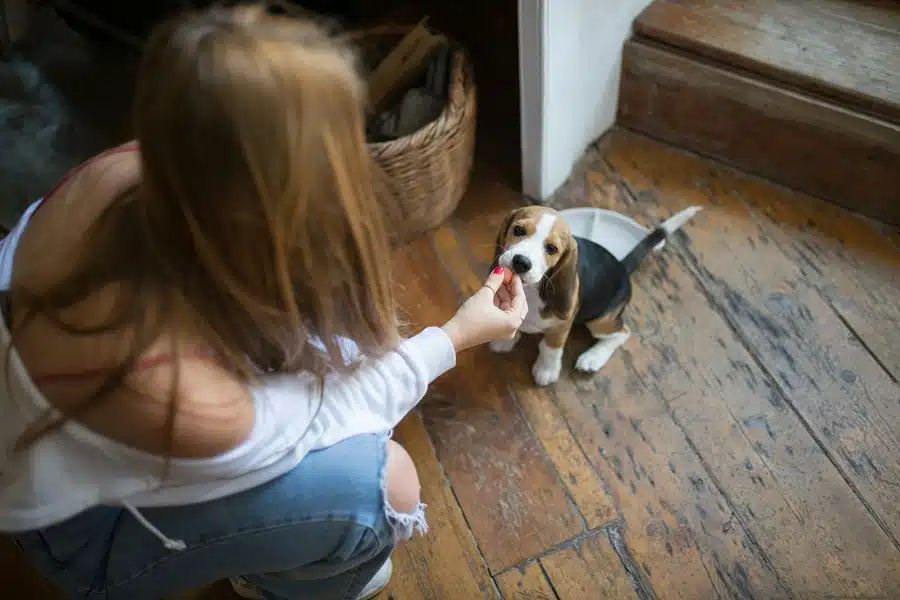
Training your dog isn’t just about teaching tricks; it’s an essential aspect of building a strong bond and ensuring safety. This article covers seven crucial commands that every dog owner should know, from basic obedience like ‘Sit’ and ‘Stay’ to more advanced commands that ensure your pet behaves well in various situations. Mastering these commands will not only make your life easier but also keep your dog safe and well-behaved, enhancing the quality of life for both you and your furry friend.
Contents
“Sit”

The ‘Sit’ command is one of the first commands to teach because it forms the foundation for many other behaviors. It’s a fundamental way to manage your dog’s impulses and keep them grounded in situations that require calmness. Start by holding a treat close to your dog’s nose, then move your hand up, allowing their head to follow the treat and causing their bottom to lower. Once they’re in the sitting position, say “Sit,” give them the treat, and show affection to reinforce the behavior.
Consistency is key when teaching ‘Sit.’ Practice this command regularly in short sessions, ideally in a quiet environment free from distractions. If your dog stands up immediately after sitting, gently remind them with the command again and wait a bit longer each time before offering the reward. Over time, your dog will associate the command with sitting down calmly and waiting for further instructions.
“Stay”

‘Stay’ is crucial for controlling your dog’s movements and ensuring they remain in a safe location when needed. Begin by asking your dog to sit, then introduce the ‘Stay’ command with a flat hand facing them, palm forward. Take a step back, and if your dog stays, quickly reward them. Gradually increase the number of steps you take before giving the treat to strengthen their patience and compliance.
Training your dog to ‘Stay’ requires patience and can be challenging, especially with energetic or young dogs. It’s important to start in an environment with minimal distractions and slowly build up to more challenging scenarios. The goal is to help your dog learn to control their impulses, providing a safe way to manage their behavior both at home and in public places.
“Come”

The ‘Come’ command is vital for recall, ensuring your dog returns to you despite distractions. It’s particularly useful in potentially dangerous situations to prevent them from running off. Start in a quiet area without distractions and use a happy, enthusiastic tone to call your dog while gently pulling on a leash. When they come to you, reward them with treats and affection to reinforce the behavior.
As your dog becomes more responsive, practice the ‘Come’ command in different locations and with increasing levels of distractions. It’s essential to always use a positive tone and never use the command to scold them, as this could make them hesitant to come when called. This command not only enhances safety but also fosters a closer bond between you and your dog as they learn to trust and respond to your calls.
“Down”

Teaching your dog to ‘Down’ is important for promoting calm and submissive behavior. This command is handy in calming overly excited or aggressive behavior. To teach ‘Down,’ start with your dog in the ‘Sit’ position. Hold a treat in your hand and slowly move it towards the ground, between their front paws. Encourage them to follow the treat with their nose, which should naturally bring them into the ‘Down’ position.
Once your dog is lying down, say “Down,” give them the treat, and pet them to reinforce the action. If they struggle to understand or get distracted easily, be patient and repeat the process until they get accustomed to the command. Remember, training should always be a positive experience, so maintain a calm and encouraging demeanor throughout the learning process.
“Leave It“

The ‘Leave It’ command is essential for preventing your dog from touching or picking up things that could be harmful. Begin by holding a treat in both hands. Show one enclosed hand to your dog and say, “Leave it.” When they obey and stop sniffing or licking at your hand, reward them with a treat from the other hand. This teaches them that obeying the command results in a better reward.
Reinforce ‘Leave It’ by practicing with different objects, gradually increasing the level of temptation. Place an item on the floor and use the command; if your dog moves away from the item, reward them. This command is invaluable in everyday situations where dogs might encounter dangerous substances or objects. It ensures your dog knows to avoid items on command, providing safety in environments where hazards are present.
“Heel”

The ‘Heel’ command is crucial for keeping your dog walking calmly by your side, especially in busy or distracting environments. Start this training in a quiet area. With your dog on a leash, bring them to your side and begin walking. Use the command “Heel” and point to the side you want them to walk on. When they stay in the correct position, reward them with treats and affection to reinforce the behavior.
Practice ‘Heel’ regularly, gradually introducing more distractions. The command is especially useful for managing your dog’s movement on busy streets or in crowded places. It helps prevent them from pulling on the leash, jumping on passersby, or straying too far. Consistent practice will teach your dog to maintain pace with you, making walks more enjoyable and less stressful.
“No”

‘No’ is a general command used to stop unwanted behavior. It’s a simple yet powerful tool in your training arsenal. When your dog engages in inappropriate behavior, firmly say “No.” Use a clear, firm tone, but ensure it is not threatening. It’s important for your dog to understand this command as a redirection rather than a punishment. Immediately redirect their attention to an appropriate activity and reward them for complying.
Consistency is key when enforcing the ‘No’ command. It should always result in the cessation of unwanted behavior. Over time, your dog will learn to respond promptly to ‘No’ with the understanding that it signals a need to stop and adjust their behavior. This command helps maintain safe and appropriate interactions, ensuring your dog behaves well both at home and in public settings.
Embracing the Journey of Dog Training
Training your dog with these essential commands not only enhances safety but also strengthens your bond. Each command plays a crucial role in ensuring your dog can handle various situations gracefully and obediently. By dedicating time and patience to their training, you’re investing in a lifelong partnership filled with respect and understanding. Remember, the journey of training is continuous, but the rewards of a well-behaved dog are immeasurable.