Regarding training and living with dogs, not all breeds are created equal. Among the myriad dog breeds, each with its unique personality and quirks, some are notorious for their stubborn streak. This stubbornness is not a sign of a dog’s lack of intelligence; quite the contrary, often, the most intelligent breeds are the ones that exhibit the most willfulness. Understanding this trait is crucial for effective training and harmonious living with these breeds. This article dives into six dog breeds known for their stubborn tendencies, shedding light on what makes them tick and how best to manage these strong-willed companions.
Siberian Husky

Famed for their stunning icy blue eyes and wolf-like appearance, Siberian Huskies are more than just pretty faces; they are renowned for their independent and often stubborn character. Originating from Northeast Asia, where they were bred as sled dogs, Huskies are highly intelligent and energetic. However, their intelligence can often translate into a stubborn disposition, challenging even the most patient of owners. Their independence stems from their history, having been bred to make critical decisions and solve problems in the harsh environments of the Arctic.
In training Huskies, traditional methods might not be as effective. Instead, trainers should focus on positive reinforcement and consistent, firm boundaries. Understanding their need for regular, vigorous exercise is crucial, as a bored Husky can become more willful. Despite their sometimes headstrong nature, Huskies are loyal and affectionate with their families, thriving in an environment of love, respect, and understanding.
Beagle

The Beagle, a small to medium-sized hound, is as stubborn as it is adorable. Originally bred for hunting due to their keen sense of smell, Beagles are highly curious and driven by scent. This trait often leads them on adventures, nose to the ground, sometimes ignoring all calls and commands. Their stubborn streak is typically a reflection of their single-mindedness in pursuing an interesting scent rather than outright defiance.
Training a Beagle requires patience and creativity. Utilizing their strong sense of smell in training activities can be an effective way to gain their cooperation. Regular, structured activities that challenge their mind and nose can keep them engaged and more likely to listen to commands. As with most dogs, positive reinforcement and consistency in training go a long way in managing a Beagle’s stubborn behavior, making them wonderful, albeit occasionally headstrong, companions.
Dachshund

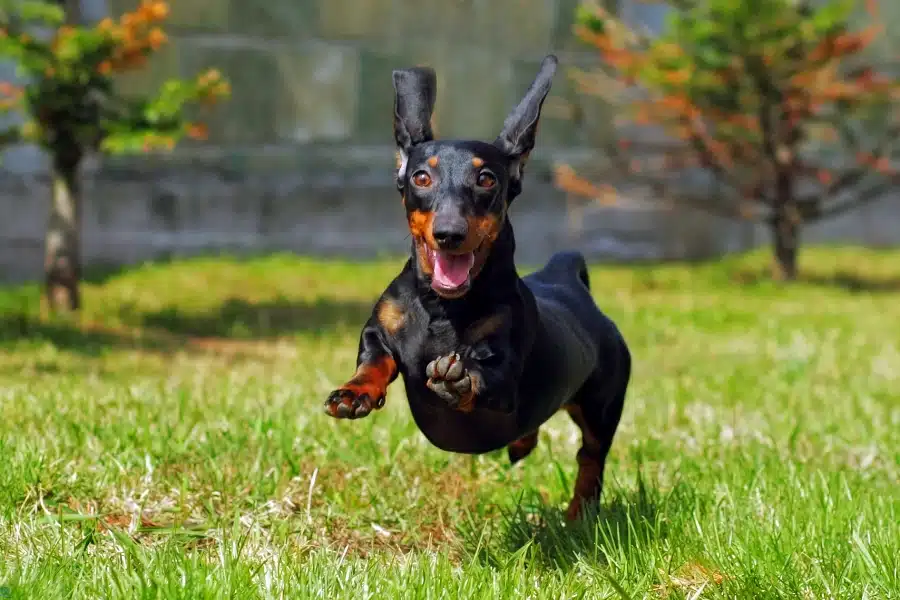
Dachshunds, also known as sausage dogs, are small in size but mighty in personality. Originally bred to hunt badgers, these little dogs are fearless and independent, often exhibiting a stubborn streak that can surprise those who judge them by their size alone. Their tenacity made them excellent hunters, but in a home setting, they often have their ideas about how things should be done.
Their strong will requires a firm and consistent approach to training. Despite their size, they need to be handled with the same seriousness as a larger dog, ensuring that they understand their boundaries. Early socialization and training are key to managing their stubborn tendencies. However, once a Dachshund respects their owner as the pack leader, they can be loving, loyal, and surprisingly compliant.