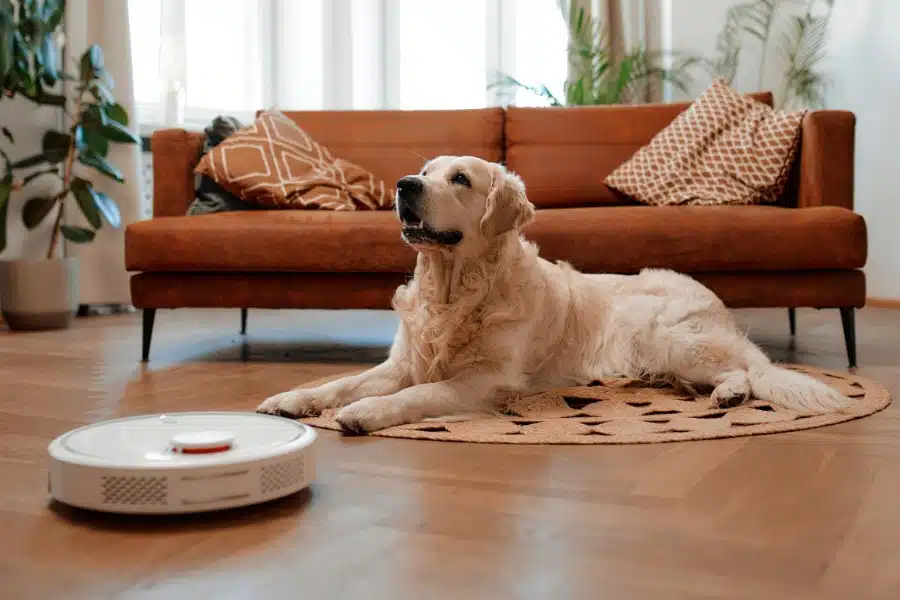
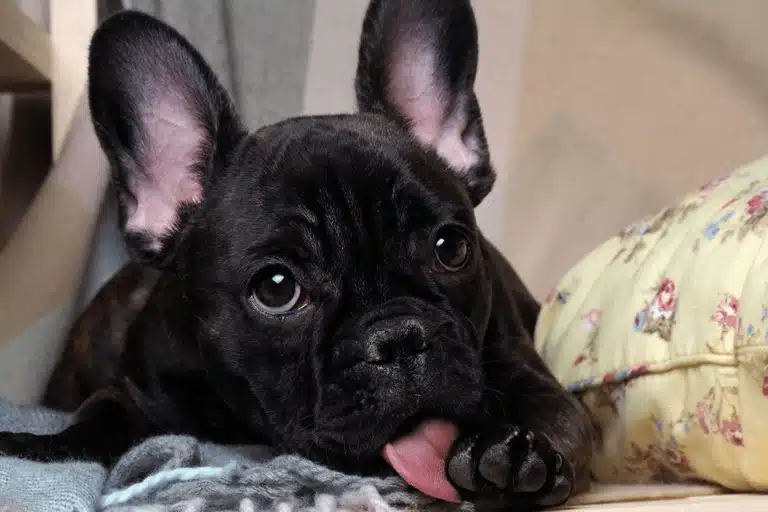
Dogs are known for their loyalty, but many owners notice that their pet seems to have a clear favorite in the household. This preference isn’t random—it’s shaped by a combination of early experiences, routine care, emotional energy, and reinforcement. While some dogs bond strongly with the person who feeds them, others choose the one who provides comfort and security. Factors such as body language, socialization, and even scent can play a significant role in shaping these attachments. Understanding why some dogs might prefer one owner over another can help strengthen relationships and ensure that every member of the household forms a meaningful connection with their pet.
Contents
- 1 Early Socialization and First Impressions Matter
- 2 The Role of Daily Care and Routine
- 3 Emotional Energy and Body Language Influence Preferences
- 4 Training and Reinforcement Shape Bonding
- 5 Breed and Personality Traits Impact Preferences
- 6 Scent and Familiarity Play a Major Role
- 7 How to Strengthen Your Bond With Your Dog
- 8 Strengthen Your Bond and Earn Your Dog’s Loyalty
Early Socialization and First Impressions Matter
The first few months of a dog’s life are crucial in determining whom they trust and bond with most. Puppies go through a key socialization period between three and fourteen weeks, during which they learn to interact with people and their environment. A person who provides positive interactions during this stage—such as feeding, gentle handling, and play—becomes a primary source of comfort. If one individual spends more time with the dog during this developmental phase, the attachment formed is often deep and long-lasting.
Rescue dogs or those with an unknown past may already have established preferences based on previous experiences. If a dog was mistreated by a certain type of person, they may naturally gravitate toward someone who feels safer or more comforting. Dogs also remember first impressions, associating specific people with either positive or negative interactions. A dog that experiences kindness and stability from one individual will be more inclined to trust them over others.
The Role of Daily Care and Routine
Dogs tend to bond most with the person who consistently meets their needs. Feeding, walking, training, and playtime are daily activities that reinforce trust and affection. When one person takes primary responsibility for these tasks, the dog naturally begins to rely on them for security. Over time, the association between care and comfort deepens the bond, making that individual the dog’s preferred companion.
Routine plays a significant role in shaping a dog’s preferences. Dogs thrive on consistency, and when one person follows a structured schedule, the pet learns to expect and depend on them. Small gestures, like offering treats, engaging in training, or simply speaking to the dog throughout the day, reinforce this connection. A dog will naturally favor the person who provides stability and makes them feel safe and valued.
Emotional Energy and Body Language Influence Preferences
Dogs are highly intuitive and can sense a person’s emotions through tone, body language, and energy levels. They are drawn to individuals who exhibit calmness, confidence, and positive reinforcement. A person who frequently displays stress, frustration, or anxiety may unintentionally push the dog away. Dogs seek comfort from those who provide a peaceful, reassuring presence, making emotional stability a key factor in forming attachments.
Body language also plays a major role in a dog’s preference for one owner over another. Dogs feel more comfortable around individuals who use open, relaxed postures rather than tense or aggressive stances. Gentle eye contact, slow movements, and soft vocal tones signal safety and trust. In contrast, unpredictable or overly assertive behavior can make a dog feel uneasy and less inclined to bond.
Training and Reinforcement Shape Bonding
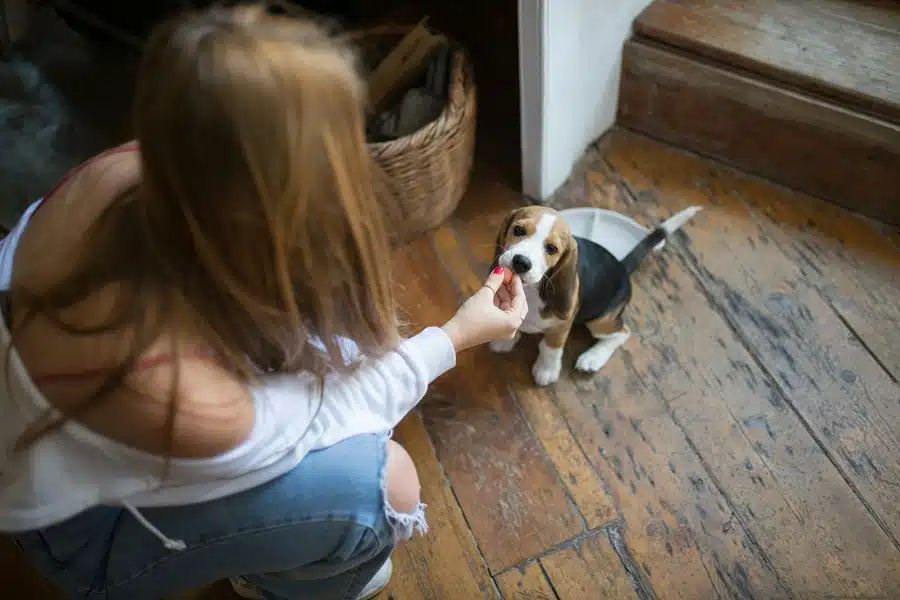
Training is more than just teaching commands—it is a form of structured communication that strengthens the relationship between a dog and its owner. Dogs respond best to positive reinforcement, such as treats, praise, and encouragement, which create a sense of trust. When one person takes the lead in training and rewards good behavior, the dog forms a deeper connection with them. This process establishes consistency and predictability, making that individual a source of guidance and reassurance.
On the other hand, negative reinforcement or inconsistent training can weaken the bond. A person who frequently scolds the dog without clear communication may cause confusion or fear. If another household member provides a more supportive and patient training approach, the dog is likely to prefer them. Positive, structured interactions help build a lasting bond based on mutual understanding and respect.
Breed and Personality Traits Impact Preferences
Different dog breeds have varying levels of attachment and independence, which influence their preference for one owner. Some breeds, such as Golden Retrievers and German Shepherds, are known for their deep loyalty and tendency to bond closely with one person. More independent breeds, like Huskies and Afghan Hounds, may not display strong favoritism toward a single individual. A dog’s breed instincts, combined with its unique personality, play a key role in how relationships with humans develop.
Even within the same breed, individual personality traits can affect bonding patterns. Some dogs are naturally more social and affectionate, while others are more selective in forming close attachments. A dog with a reserved or cautious temperament may take longer to warm up to multiple people. Understanding both breed tendencies and personal characteristics can help owners manage their dog’s preferences and build stronger relationships.
Scent and Familiarity Play a Major Role
A dog’s sense of smell is one of its most powerful tools for recognizing and bonding with people. Dogs associate specific scents with comfort, security, and familiarity, making scent a key factor in preference. The person who spends the most time around the dog will have a stronger scent imprint, reinforcing the bond. If a dog frequently rests near a particular person’s belongings, such as clothing or bedding, it is likely a sign of attachment.
Familiarity extends beyond scent to include voice and physical presence. Dogs respond to the tone and pitch of a person’s voice, finding comfort in familiar speech patterns. If one person is frequently away from home or interacts less with the dog, the pet may not feel as connected to them. Small actions, like talking to the dog regularly or maintaining physical closeness, can strengthen familiarity and deepen attachment.
How to Strengthen Your Bond With Your Dog
If a dog shows favoritism toward one person, others in the household can take steps to build a stronger bond. Engaging in daily activities like feeding, walking, and training helps reinforce trust and familiarity. Positive interactions, such as playing games or offering treats, create meaningful connections. A person who consistently provides attention and care will gradually become a valued presence in the dog’s life.
Spending quality time together in new and engaging ways can also improve bonding. Activities like teaching new tricks, exploring different environments, or introducing puzzle toys can make interactions more rewarding. Rotating responsibilities, such as taking turns feeding and walking the dog, helps distribute attachment more evenly. By being patient and intentional, every family member can form a lasting relationship with their pet.
Strengthen Your Bond and Earn Your Dog’s Loyalty
Dogs naturally form preferences based on experiences, routines, and emotional connections, but this does not mean their loyalty is fixed. With time, patience, and consistent interaction, any owner can strengthen their bond with their pet. Small gestures, such as offering treats, engaging in play, and maintaining a calm presence, can make a significant impact. Every interaction shapes the way a dog perceives its human companions, making positive reinforcement essential. By understanding what influences their attachment, owners can build a lasting and fulfilling relationship with their furry friend.