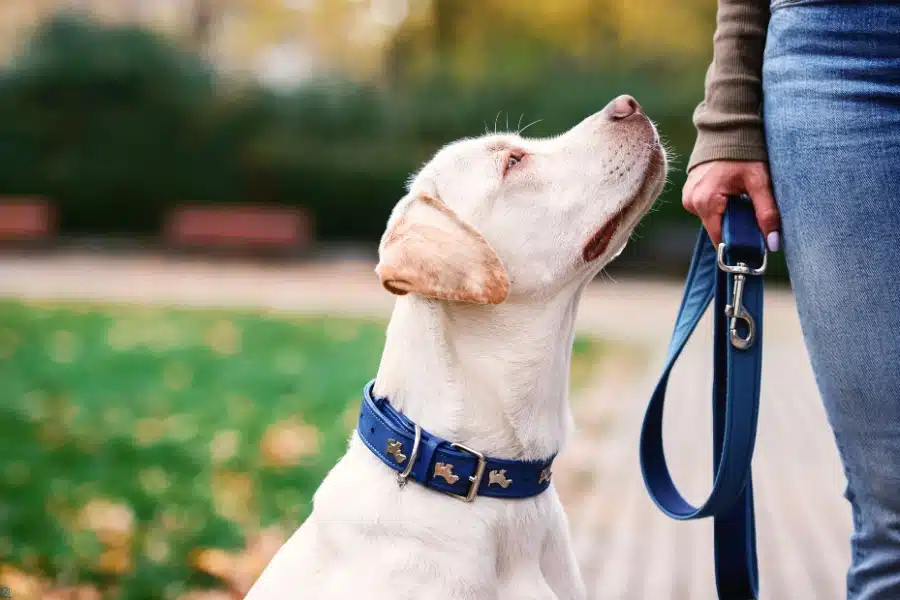
Heart problems in dogs can be difficult to detect, especially since many early symptoms are subtle. Unfortunately, by the time noticeable signs appear, the disease may already be advanced. Recognizing the symptoms early is crucial to ensuring your dog receives the care they need. Just like humans, dogs can suffer from various heart conditions that require immediate attention. This post explores the common signs of heart problems in dogs, helping you better understand what to look out for. If you notice any of these symptoms, it’s essential to consult a veterinarian to prevent further complications.
Contents
Persistent Coughing

A persistent cough in dogs can often signal underlying heart disease. This type of cough is typically caused by fluid buildup in the lungs, which occurs when the heart isn’t pumping blood efficiently. Unlike a simple respiratory infection, this cough doesn’t go away easily and may become more frequent during rest. You might notice your dog coughing more at night or after lying down, a key indicator that something could be wrong with their heart.
The chronic nature of this cough can sometimes be overlooked as a minor issue, but it’s essential to take it seriously. Coughing that doesn’t resolve with typical treatments could mean the heart is struggling to maintain proper circulation. In many cases, this symptom can be mistaken for allergies or kennel cough, delaying crucial treatment. If your dog’s cough persists despite care, it’s essential to seek a vet’s opinion to rule out any heart-related issues.
Difficulty Breathing or Shortness of Breath

Difficulty breathing or shortness of breath is another common sign of heart disease in dogs. When the heart fails to pump blood efficiently, fluid can accumulate around the lungs, making it harder for your dog to breathe normally. You may notice your dog panting heavily even after light activity or struggling to catch their breath while resting. This labored breathing often signals that their heart is under strain and struggling to circulate oxygen properly.
Unlike typical panting after exercise or in hot weather, breathing issues caused by heart problems tend to happen during rest or minimal activity. If your dog seems restless and unable to breathe comfortably while lying down, it’s a sign that heart disease could be the cause. The discomfort from struggling to breathe may also cause your dog to shift positions frequently or appear more anxious than usual. Any breathing difficulty, especially if it comes on suddenly or worsens over time, warrants an immediate veterinary visit.
Fatigue and Lethargy

A noticeable decrease in your dog’s energy levels is a sign that something may be wrong with their heart. Heart problems often cause dogs to feel fatigued or lethargic, as the body isn’t receiving enough oxygenated blood to support normal activities. If your once-active dog suddenly shows little interest in playing or tires easily during walks, it could be due to an underlying heart condition. Fatigue is particularly concerning when it’s paired with other symptoms, like difficulty breathing or coughing.
Lethargy may start off mild, making it hard to distinguish from normal tiredness, but it can progressively worsen as the heart weakens. You might find your dog sleeping more during the day or unable to complete activities they used to enjoy. Heart disease can significantly reduce a dog’s stamina, making even short periods of exercise exhausting. Keeping an eye on your dog’s daily energy levels can help you spot early signs of heart problems before they worsen.
Swollen Abdomen (Ascites)

A swollen abdomen, also known as ascites, can be a clear indicator of advanced heart disease in dogs. This condition occurs when fluid builds up in the abdominal cavity due to poor circulation caused by heart failure. You might notice your dog’s belly becoming unusually large or bloated, which can cause discomfort and difficulty moving. This symptom is often a sign that the heart’s ability to manage fluid is severely compromised, requiring urgent medical attention.
Ascites often progresses slowly, making it easy to overlook until the swelling becomes more pronounced. Dogs with a swollen abdomen may have trouble lying down comfortably or show signs of restlessness as the fluid buildup causes pressure. The swollen area may also feel firm to the touch, further indicating that it’s not just a result of overeating or weight gain. If you notice any significant abdominal swelling, it’s critical to have your dog evaluated by a vet as soon as possible.
Fainting or Collapsing

Fainting or collapsing is a severe symptom that may point to heart problems in dogs. These episodes occur when the heart fails to pump enough blood to the brain, resulting in a temporary loss of consciousness. Often, this happens suddenly, without warning, especially during moments of excitement or physical exertion. If your dog faints or collapses, it’s a sign that their heart may not be functioning properly, and immediate veterinary care is necessary.
Collapsing can be alarming for pet owners, and it often signifies advanced heart disease. You may notice your dog appearing disoriented or weak just before they faint, but in some cases, they may lose consciousness without any prior symptoms. While these incidents can be brief, they are a serious indicator that the heart is struggling to maintain normal circulation. If your dog experiences fainting spells, it’s essential to consult with a vet to determine the cause and explore treatment options.
Pale or Blue Gums

Checking your dog’s gums can provide valuable insight into their heart health, especially if they appear pale or blue. These color changes often indicate poor circulation and a lack of oxygen in the bloodstream, both of which can result from heart problems. Healthy gums should be pink and moist, so any deviation from this norm could be a cause for concern. Pale gums may suggest that the heart isn’t effectively circulating blood, while blue gums, known as cyanosis, indicate a severe lack of oxygen.
Gum discoloration often accompanies other heart disease symptoms like difficulty breathing or lethargy, creating a more complete picture of declining heart function. If you notice your dog’s gums changing color, especially after physical activity or during rest, it’s essential to seek veterinary attention immediately. While there are other potential causes for pale or blue gums, heart disease is one of the most critical conditions to rule out. Regularly checking your dog’s gums can help catch heart issues early before they escalate.
Sudden Weight Loss or Gain

Sudden, unexplained changes in your dog’s weight can be another warning sign of heart disease. Dogs with heart problems often experience weight loss due to a decreased appetite or the body’s inability to properly absorb nutrients. This weight loss may happen gradually but can become more noticeable as the disease progresses. If your dog is losing weight rapidly without any changes to their diet or exercise routine, heart disease could be the underlying cause.
On the other hand, heart disease can also lead to sudden weight gain, particularly due to fluid retention. As the heart struggles to function, fluid can build up in the body, causing swelling in various areas, including the abdomen and limbs. This rapid weight gain isn’t related to fat accumulation but rather a symptom of fluid overload, which can be dangerous if left untreated. Whether it’s weight loss or gain, any significant change in your dog’s weight should prompt a visit to the vet for further evaluation.
Keep Your Dog’s Heart Beating Strong
Heart disease in dogs can be challenging to detect, but being aware of the symptoms is crucial for early intervention. Recognizing signs like persistent coughing, difficulty breathing, or changes in energy levels can help you take swift action. If your dog exhibits any of the symptoms discussed, it’s important to consult your veterinarian right away. Acting quickly can greatly improve your dog’s quality of life and overall health. Stay proactive about your dog’s heart health to ensure they live a longer, healthier life.