Play Bows and Bringing You Their Toys

Dogs express trust and affection through play, and the way your dog invites you to engage in play activities reveals much about your relationship. The classic play bow—front legs extended forward, rear end raised in the air—is an invitation to engage in friendly interaction. When your dog offers this gesture to you specifically, they are communicating that they view you as a safe and enjoyable playmate, someone with whom they can let loose and engage in the kind of exuberant behavior that requires vulnerability and trust.
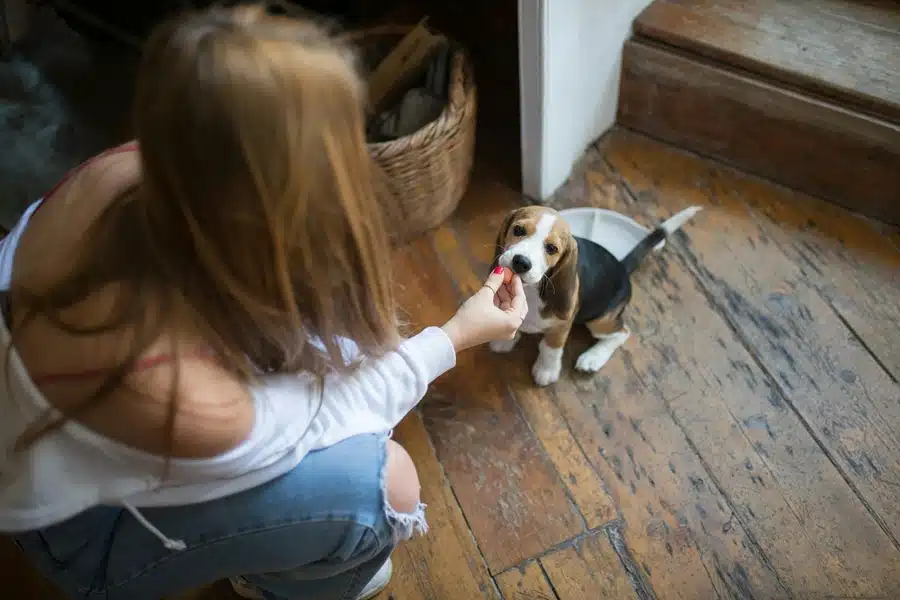
Additionally, dogs who bring you their toys, whether for play or simply to share, are demonstrating a form of resource sharing that indicates deep trust. In the animal world, valuable resources are typically guarded rather than shared freely. When your dog drops their favorite toy at your feet or brings you a prized possession, they are including you in their inner circle and expressing confidence that you will treat their treasured items—and by extension, them—with care and respect.
Leaning In and Initiating Touch

Physical contact is a primary way dogs communicate trust and seek connection with their human companions. A dog who leans their body weight against you is quite literally using you as support, both physically and emotionally. This leaning behavior indicates that your dog feels comfortable enough to depend on you and trusts you to bear their weight without moving away or causing them to fall. Some dogs will lean so heavily that they would topple over if you stepped aside, demonstrating remarkable confidence in your reliability.
Dogs who initiate touch—nosing your hand for pets, climbing into your lap, or resting their head on your leg—are actively seeking the comfort of physical connection with you. This is particularly significant because it represents a choice on the part of the dog. They are not merely tolerating your touch but actively requesting it, which indicates that they associate physical contact with you with positive feelings of comfort and security. The frequency and enthusiasm with which your dog seeks your touch directly correlates with the depth of trust they have developed in your relationship.
CommunicationChecking In and Responding to Your Cues

Trusting dogs often develop the habit of “checking in” with their owners, periodically looking back during walks or glancing up while exploring to ensure their human is still present and to gauge reactions. This behavior indicates that your dog values your guidance and feels reassured by maintaining visual contact with you. It demonstrates that they have incorporated you into their awareness of safety and are using your presence and reactions as information about how to navigate their environment.
Furthermore, a dog who responds readily to your verbal cues, tone of voice, and body language is demonstrating trust in your leadership and communication. Dogs who trust their owners will often look to them for direction in ambiguous situations, waiting for signals about how to behave rather than acting independently out of uncertainty or anxiety. This responsiveness reflects both the strength of your bond and the history of positive interactions that have taught your dog that following your lead results in good outcomes.
Final ThoughtsNurturing the Bond That Makes Dogs Trust Their Humans

The signs that your dog trusts you more than anyone else are woven throughout your daily interactions, from the relaxed way they greet you to the comfort they seek in your presence during uncertain moments. This trust is not given automatically but earned through consistent care, gentle handling, and the establishment of routines that provide security and predictability. By recognizing and appreciating these behaviors when they occur, you can continue to strengthen the remarkable bond that makes the relationship between humans and dogs so uniquely rewarding. Every belly exposure, every soft gaze, and every enthusiastic greeting at the door is your dog’s way of telling you that you have earned their confidence and hold a special place in their heart—a privilege that carries with it the responsibility to continue being worthy of such profound trust.