Skip to content

Relaxation Techniques For Anxious Dogs

  • Dog Care

Anxiety in dogs is a widespread issue that significantly impacts their quality of life. Recognizing the signs and understanding the causes is crucial for effective intervention. This blog post delves into various relaxation techniques tailored for anxious dogs. Addressing canine anxiety not only enhances their well-being but also strengthens the bond they share with their owners. It’s important to note that every dog is unique, and what works for one may not work for another; hence, a combination of approaches is often most effective.

Understanding Canine Anxiety

Relaxation Techniques For Anxious Dogs

The first step in aiding an anxious dog is identifying the signs of their distress. Anxiety in dogs can manifest in various ways, such as excessive barking, pacing, shaking, or even aggression. These behaviors are often misunderstood as mere misconduct, but they are actually cries for help. Recognizing these signs early can prevent escalation and provide timely relief. Owners must observe their pets closely, noting any changes in behavior that might indicate anxiety.

Understanding the root causes of canine anxiety is equally important. Dogs may experience anxiety due to several factors, including genetic predisposition, past traumas, or environmental changes. Situations like moving to a new home, introduction of new family members, or loud noises like thunderstorms and fireworks can trigger anxiety in dogs. Understanding these triggers is critical in developing an effective relaxation strategy. By pinpointing the cause, one can tailor the approach to address the dog’s specific needs and fears.

Creating A Calming Environment

Relaxation Techniques For Anxious Dogs

Crafting a safe and tranquil environment is essential for a dog’s mental well-being. A dedicated space where the dog can retreat to when feeling overwhelmed provides a sense of security and comfort. This area should be quiet, cozy, and free from stressors. Including favorite toys, a comfortable bed, and perhaps an item with the owner’s scent can make this space more inviting and calming for the dog.

In addition to a physical safe space, the overall ambiance of the home affects a dog’s anxiety levels. Keeping a routine schedule, reducing loud noises, and avoiding chaotic situations can help maintain a calm atmosphere. Gentle background music or white noise machines can be beneficial in masking distressing sounds. Consistency in the environment and daily routines provides stability, making dogs feel more secure and less anxious.

Physical Exercise And Mental Stimulation

Relaxation Techniques For Anxious Dogs

Regular exercise is a cornerstone of managing anxiety in dogs. Physical activities like walking, running, or playing fetch not only expend pent-up energy but also stimulate the production of serotonin, a mood-stabilizing hormone. A tired dog is often a relaxed dog, and incorporating daily exercise routines can significantly reduce anxiety-related behaviors. Varying the types of exercise and introducing new activities keep the dog’s mind engaged and body active, preventing boredom and stress.

Mental stimulation is just as crucial as physical exercise in managing canine anxiety. Activities such as puzzle toys, scent games, or training sessions provide mental enrichment. These activities challenge the dog’s brain, offering a constructive outlet for their energy and reducing anxiety. Training sessions reinforce obedience and build confidence, further helping to alleviate anxiety. Consistent mental engagement leads to a more balanced and content state of mind, crucial for anxious dogs.
Diet And Nutrition

Relaxation Techniques For Anxious Dogs

Diet plays a vital role in a dog’s overall health and well-being, including their mental state. Certain foods can exacerbate anxiety, while others have a calming effect. For instance, foods rich in Omega-3 fatty acids are known to support brain health and may help in managing anxiety. Avoiding foods with high sugar content and artificial additives is also beneficial, as these can contribute to erratic behavior and stress.

Supplements such as probiotics, vitamins, and minerals may also aid in reducing anxiety. Probiotics, for example, are known to promote gut health, which is closely linked to mood regulation. Before making any dietary changes or adding supplements, consulting a veterinarian is essential. They can provide tailored advice based on the dog’s specific health needs and conditions, ensuring the dietary approach is safe and effective.

Training And Behavior Modification

Relaxation Techniques For Anxious Dogs

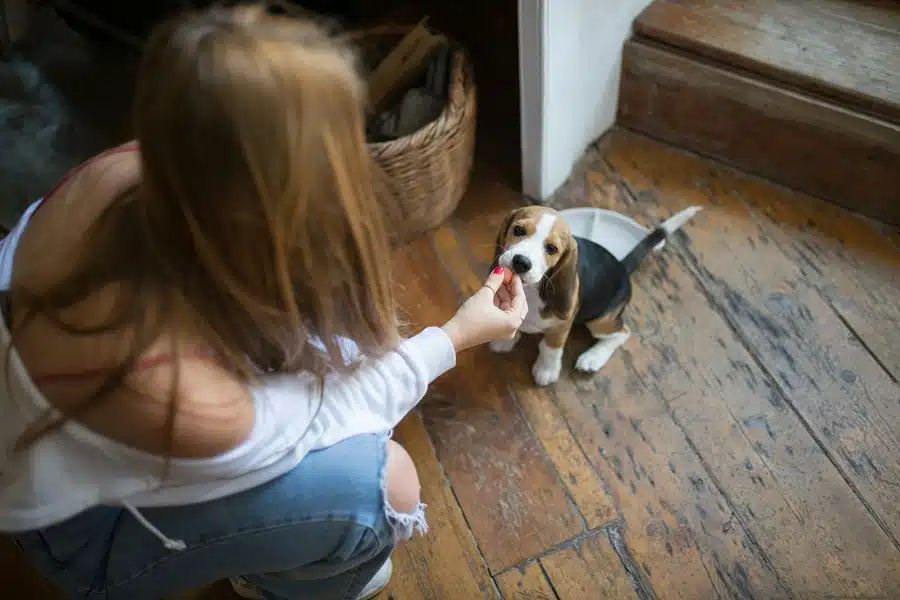
Consistent training is vital in managing canine anxiety. It establishes clear communication between the dog and its owner, creating a sense of trust and security. Training should focus on positive reinforcement, rewarding calm and desired behaviors. This approach not only teaches the dog what is expected but also boosts their confidence, which can significantly reduce anxiety.

Behavior modification techniques such as desensitization and counterconditioning are effective in addressing specific anxieties. Desensitization involves gradually exposing the dog to the source of their anxiety in a controlled way, reducing their fear over time. Counterconditioning, on the other hand, aims to change the dog’s negative response to a positive one. These methods require patience and consistency but can be highly effective in long-term anxiety management.

Massage And Physical Contact

Relaxation Techniques For Anxious Dogs

Massage therapy can be a powerful tool in calming an anxious dog. Gentle, rhythmic strokes can soothe the nervous system, decrease heart rate, and induce a state of relaxation. Massaging specific areas like the ears, neck, and back can be particularly comforting. This not only helps in reducing anxiety but also strengthens the bond between the dog and the owner.

Physical contact in general, such as petting or cuddling, can also have a calming effect. It releases oxytocin, known as the ‘love hormone,’ which promotes bonding and reduces stress. This contact should always be gentle and initiated when the dog is receptive to it. Forced affection can increase anxiety, so it’s crucial to read the dog’s body language and respond accordingly.

Alternative Therapies and Aids

Relaxation Techniques For Anxious Dogs

Alternative therapies offer additional options for managing canine anxiety. Aromatherapy, using scents like lavender and chamomile, can have a calming effect on some dogs. Similarly, playing soft, soothing music can help relax dogs who are disturbed by loud noises or suffer from separation anxiety. These methods provide a non-invasive way to create a peaceful environment.

Anxiety vests and calming collars are other aids that can offer relief. These items apply gentle, constant pressure, similar to swaddling an infant, which can be comforting to anxious dogs. The effectiveness of these aids varies among individuals, so monitoring the dog’s response is crucial. If anxiety persists despite these efforts, consulting a veterinarian or a professional dog behaviorist is recommended.

The Bottom Line

Managing anxiety in dogs requires a multifaceted approach, combining physical exercise, mental stimulation, proper diet, training, and sometimes alternative therapies. The key to success lies in understanding the unique needs and triggers of each dog and applying techniques consistently and patiently. It’s important to remember that progress may be gradual, and seeking professional advice is advisable if challenges persist. Ultimately, the goal is to create a happier, healthier life for both the dog and the owner, reinforcing the bond they share through understanding and compassion.