Down

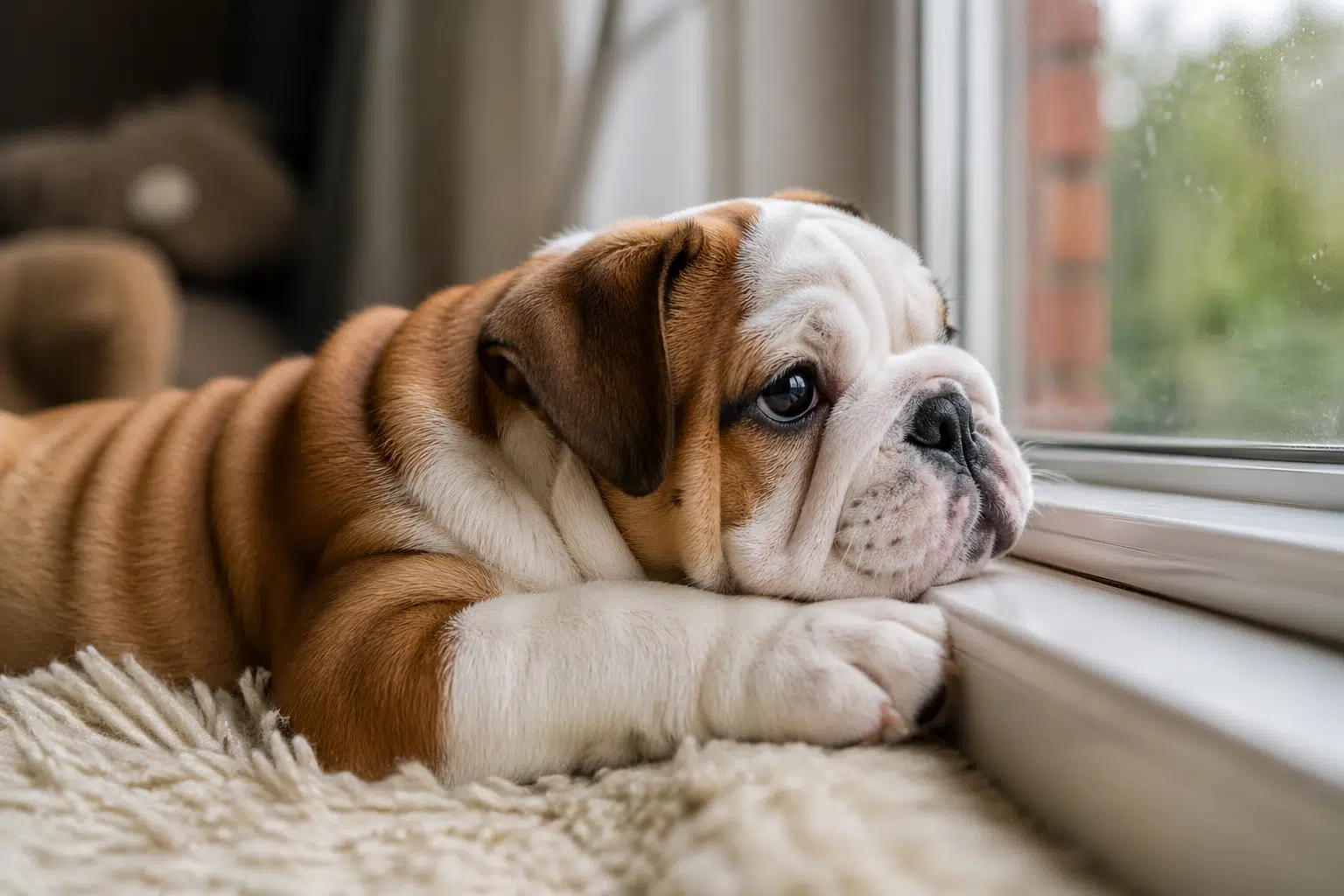
The ‘down’ command is another basic but vital command for a puppy’s training. It starts with the puppy in a sitting position. Holding a treat close to their nose, it’s then lowered to the ground between their front paws. As the puppy follows the treat with their nose, they naturally move into a lying position. Once they are down, the command is given, and the treat is provided as a reward. This command is beneficial for promoting calm behavior and self-control.
Consistency is key in reinforcing the ‘down’ command. Practice regularly in short sessions, ensuring the puppy understands the command fully before introducing any variations. Some puppies may resist lying down, especially on hard or cold surfaces. In such cases, practicing on a soft mat or carpet can encourage compliance. Patience and persistence, coupled with positive reinforcement, are essential in successfully teaching this command.
Leave It

The ‘leave it’ command is crucial for preventing puppies from picking up dangerous or unwanted items. Begin by holding a treat in a closed hand and allowing the puppy to sniff but not eat it. When they lose interest and move away, say “leave it,” then reward them with a different treat. This teaches them that ignoring certain items or food leads to a more rewarding outcome. Initially, this command requires close supervision to ensure the puppy doesn’t grab the forbidden item.
Progression in teaching ‘leave it’ involves placing the treat on the floor and covering it with a hand. As the puppy becomes more adept, the hand can be removed, but the command must be enforced consistently. If the puppy attempts to take the treat, cover it again and repeat the command. Over time, this command can be extended to various objects and situations, proving invaluable in keeping the puppy safe from harmful substances or objects.
Shake Hands

Shake hands is a charming trick that can be taught relatively easily. It starts with the puppy in a sitting position. Hold a treat in one hand and gently tap one of the puppy’s front paws with the other hand. As the puppy lifts their paw, grasp it lightly, say “shake,” and give the treat. This not only teaches a new skill but also helps the puppy get comfortable with having their paws touched, which can be beneficial for grooming and vet visits.
Repetition and patience are important in teaching ‘shake hands.’ Some puppies may be hesitant to lift their paws, so gentle encouragement is necessary. If the puppy doesn’t respond initially, keep practicing, always associating the action with positive reinforcement. Over time, the puppy will understand the command and respond more quickly.
The Bottom Line
In conclusion, teaching a puppy these basic commands is not just about obedience; it’s about building a bond and ensuring their safety and well-being. Each command, from ‘sit’ to ‘shake hands,’ lays a foundation for a well-behaved, responsive, and happy dog. The key to success lies in patience, consistency, and positive reinforcement. Remember, training should be an enjoyable experience for both the puppy and the trainer. A well-trained puppy grows into a confident and obedient dog, making for a harmonious and fulfilling relationship with their owner.