Proper Handling Of Dogs

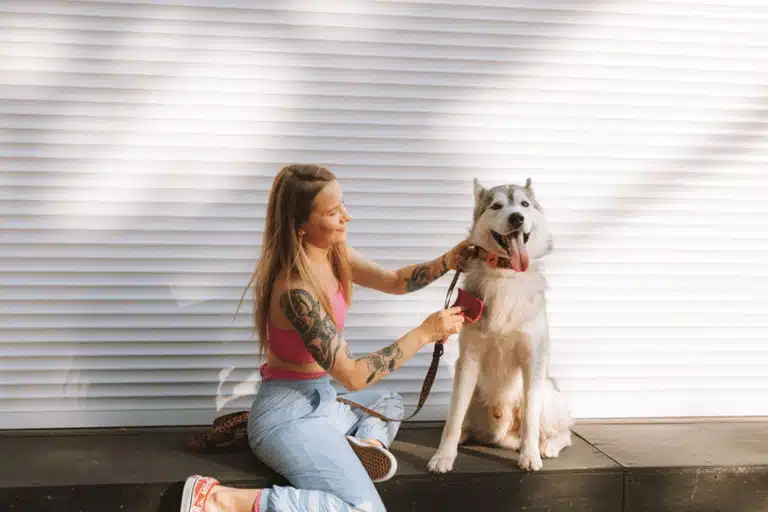
Proper handling of dogs involves respecting their boundaries and understanding their comfort zones. For example, some dogs might not feel comfortable being petted on the head or being hugged. Always approach dogs in a non-threatening manner and pet them in areas where they feel comfortable. Never force your attention on a dog that appears to be anxious or fearful.
It’s also important to understand how to approach a dog correctly. Instead of reaching over the dog’s head, which can be perceived as a threat, approach from the side and allow the dog to sniff your hand. Avoid sudden movements or loud noises which could startle the dog. Knowing how to handle dogs appropriately can go a long way in preventing bites.
Dealing With Unknown Dogs

Encountering an unknown dog can be unpredictable. Always respect the dog’s space and do not approach it without the owner’s permission. If an unknown dog approaches you, stand still, avoid making direct eye contact, and allow the dog to sniff you. Do not run or scream, as this could trigger the dog’s prey drive.
If you come across a stray or unattended dog, particularly one showing signs of aggression, maintain your distance and contact local animal control authorities. If a dog appears to be threatening, use a calm and assertive voice to command it to stay or go away. Never attempt to pet or feed an unknown dog without first assessing its behavior and ensuring it’s safe to do so.
Reading A Dog’s Body Language

Understanding dog body language is crucial to prevent bites. Dogs typically display signals before resorting to aggression. Common warning signs include a stiff body, raised fur, a tucked tail, flattened ears, or showing the whites of their eyes. These signs indicate the dog is uncomfortable and may bite if the perceived threat continues.
Apart from these warning signs, it’s essential to understand that a wagging tail doesn’t always signify friendliness. The speed and direction of the tail wag, combined with other body language, can convey different messages. A slow, low wag could indicate fear or insecurity, while a fast, high wag might express excitement or potential aggression. By accurately interpreting these signs, you can avoid actions that might trigger a bite.
Role Of Dog Owners In Preventing Dog Bites

As a dog owner, you play a significant role in preventing dog bites. This responsibility starts with ensuring your dog is well-trained, socialized, and mentally and physically stimulated. It also involves understanding your dog’s personality and triggers to anticipate and prevent aggressive reactions. Keeping your dog on a leash in public areas also helps control its interactions with people and other dogs.
Furthermore, regular vet check-ups are essential, as health issues can sometimes lead to changes in a dog’s behavior. A dog in pain might become irritable or anxious, leading to increased chances of biting. Always maintain up-to-date vaccinations for your dog, especially rabies, to protect both your pet and others in case of a bite.
Be Aware Of How To Prevent Dog Bites!
Preventing dog bites is a shared responsibility that hinges on understanding canine behavior, responsible pet ownership, and appropriate human-dog interactions. By understanding dog behavior, socializing and training your dogs, properly supervising children, handling dogs correctly, and recognizing the signs of fear or aggression, you can significantly reduce the risk of bites. Let’s not forget the role of local authorities, veterinary professionals, and dog trainers in this process. By embracing these practices, you contribute to safer communities and better lives for your canine companions.