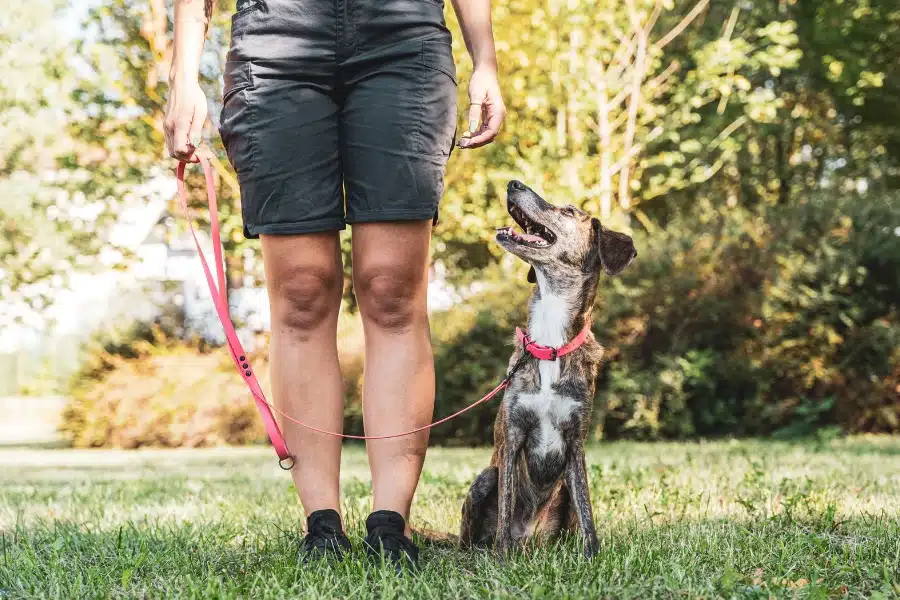
Owning a high-energy dog breed brings a unique set of joys and challenges. These dogs, bursting with vitality, require a specialized approach to training and care. This post explores essential training tips tailored for high-energy breeds. It aims to assist owners in understanding their pets’ needs and implementing effective training strategies. Whether you’re a first-time owner or seeking to refine your skills, this guide will help you foster a harmonious and fulfilling relationship with your energetic canine companion.
Getting To Know High-Energy Dog Breeds

High-energy dog breeds, such as Border Collies, Australian Shepherds, and Labrador Retrievers, are distinguished by their boundless energy and enthusiasm. These breeds typically exhibit intense drive, intelligence, and a need for constant engagement. Understanding these traits is crucial for effective training and care. They thrive on challenges and require more than just physical exercise; mental stimulation is essential to keep them content and well-behaved.
Recognizing the innate characteristics of these breeds is key to successful management. They are not only physically active but also incredibly smart. This intelligence, while an asset, can lead to boredom and destructive behaviors if not properly channeled. Owners must focus on training methods that engage both the body and mind, ensuring a well-rounded approach to their dog’s development and wellbeing.
Establishing A Routine

Consistency is crucial when training high-energy dog breeds. Establishing a routine helps these dogs understand what is expected of them, reducing anxiety and excess energy. A well-structured daily schedule should include dedicated time for exercise, training sessions, and play. This not only helps in managing their energy levels but also in building a strong bond between the dog and its owner.
Setting regular times for walks, meals, and training is important. Consistent exercise, especially activities that challenge them physically and mentally, is crucial. Incorporating training into daily activities helps reinforce commands and behaviors. A tired dog is a well-behaved dog. However, it’s essential to balance activity with rest. Ensure your dog has downtime to relax and rejuvenate, as overstimulation can be counterproductive to their overall behavior and health.
Effective Exercise Strategies

Exercising high-energy breeds requires a mix of variety and intensity. These dogs benefit from activities that cater to both their physical and mental needs. Running, hiking, and fetch are excellent for burning off physical energy, while agility training and puzzle toys provide mental stimulation. Gradually increasing the intensity and duration of exercises is important to avoid injury. Start with shorter sessions and observe how your dog responds. High-energy breeds often have a high pain threshold, meaning they might not show discomfort until it’s severe. Incorporating different types of exercises keeps your dog physically fit and mentally sharp.
Safety during exercise is paramount. Ensure your dog is in a safe environment, especially if they are off-leash. Regular health checks are also important to ensure your dog is physically capable of the exercises you’re doing together. The goal is to have a healthy, happy, and well-exercised dog, which is a cornerstone of effective training for high-energy breeds. And if your dog is showing signs of fatigue or discomfort, don’t hesitate to take a break and give them some rest.
Training Basics: Obedience And Socialization

Obedience training is the foundation for any well-behaved dog, especially those with high energy levels. Basic commands like sit, stay, and come are essential. This training not only instills discipline but also enhances the dog’s safety. Start with short, frequent training sessions, gradually increasing complexity as your dog masters each command.
Socialization is equally important. High-energy breeds often have strong reactions to new environments and stimuli. Early exposure to different people, dogs, and situations is crucial. This helps in developing a well-adjusted dog that is less likely to exhibit fear or aggression in new situations. Socialization should be a controlled and positive experience, ensuring your dog feels safe and confident.