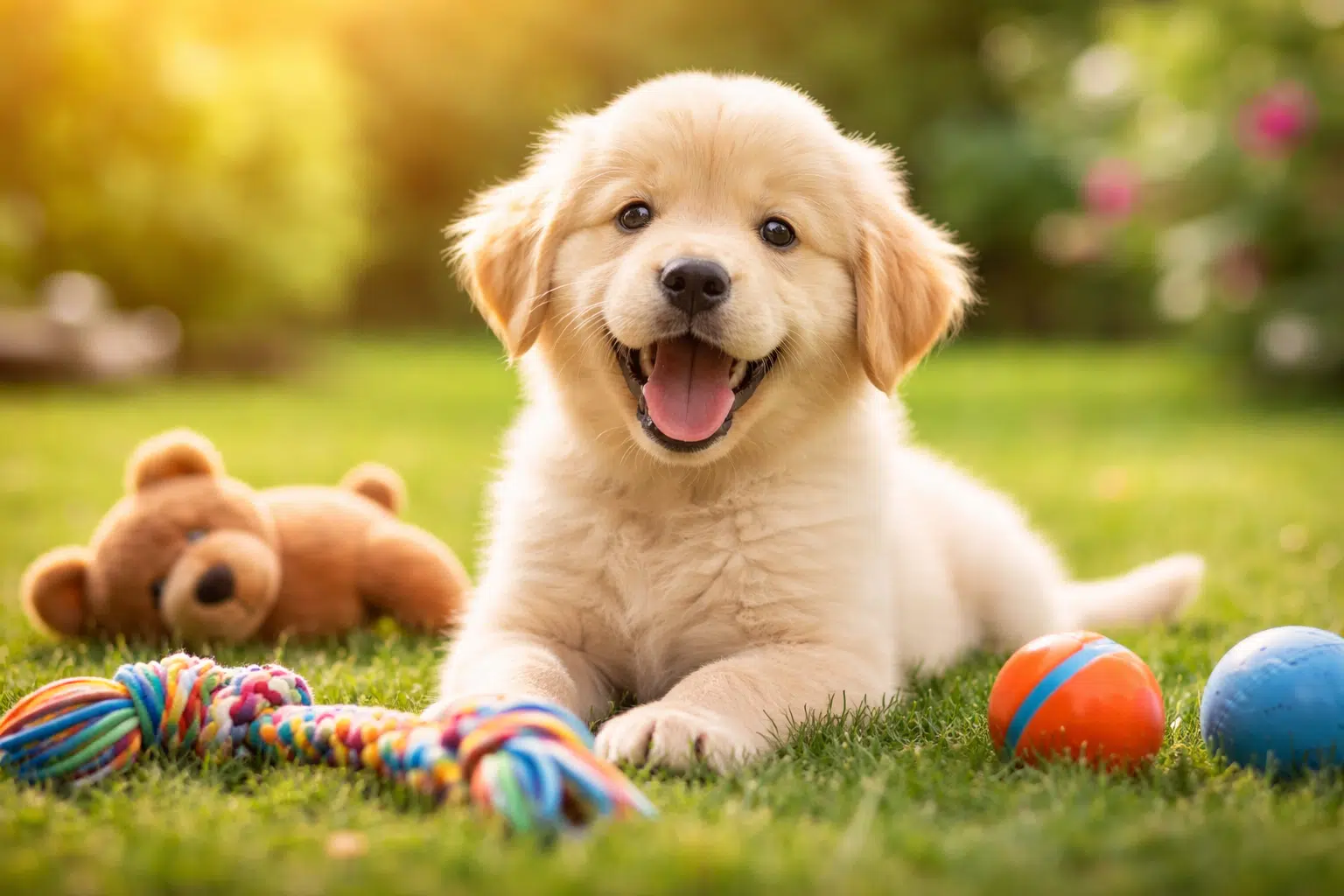
How Puppies Keep Themselves Occupied

When left alone, puppies often rely on instinctive behaviors to occupy their time. Exploration is one of the most common responses, as they investigate their surroundings through movement, scent, and touch. This may include interacting with toys, chewing objects, or moving between different areas of the home. These activities are not only a way to pass time but also an important part of learning and development.
Periods of activity are typically followed by rest, as puppies require significant amounts of sleep throughout the day. A well-prepared environment with appropriate toys and safe items can encourage more constructive behaviors during these alone periods. Without adequate stimulation, however, puppies may turn to less desirable activities out of boredom. Providing enrichment helps guide their natural instincts in a more controlled and beneficial way. Over time, this balance between activity and rest becomes more predictable and stable.
Signs of Stress or Comfort While Alone

Puppies display a range of behaviors that can indicate how they are coping when left alone. Signs of stress may include whining, barking, pacing, or attempting to escape confined spaces. In some cases, destructive behaviors such as chewing furniture or scratching doors may appear, often as a result of anxiety or excess energy. These reactions can vary in intensity and may change depending on the puppy’s environment and prior experiences.
On the other hand, some puppies show clear signs of comfort and adjustment during periods of separation. They may settle into resting areas, engage quietly with toys, or sleep for extended periods. These behaviors suggest that the puppy is beginning to feel secure even in the owner’s absence. Observing patterns over time can help distinguish between temporary adjustment phases and ongoing stress. Recognizing these signals allows for better support and more effective responses to the puppy’s needs.
What Happens When You Return

When an owner returns home, puppies often respond with a noticeable burst of excitement and energy. This reaction can include tail wagging, jumping, vocalizing, or running in circles as they approach. These behaviors are rooted in social bonding and the release of built-up anticipation after a period of separation. Because puppies rely heavily on their owners for interaction and stimulation, the reunion becomes a highly significant event in their day.
The way this moment is handled can influence future behavior and emotional balance. Calm, consistent greetings can help prevent overstimulation and encourage more controlled responses over time. If the return is overly energetic, puppies may begin to associate reunions with heightened excitement, making it harder for them to settle. Gradually reinforcing calm behavior helps create a more stable transition from absence to presence. Over repeated experiences, puppies learn to adjust their reactions and respond in a more balanced way.
Seeing the World Through Your Puppy’s Eyes
Understanding what a puppy experiences when left alone provides valuable insight into their emotional and behavioral development. Their reactions are shaped by instinct, routine, and early learning, rather than complex reasoning. From initial curiosity to possible confusion and eventual adjustment, each stage reflects how they adapt to independence over time. Consistency, structure, and a supportive environment play a critical role in helping them feel secure during absences. By recognizing these patterns and responding appropriately, it becomes easier to support healthy habits and emotional balance, ultimately strengthening the bond between puppies and their owners as they grow.