Troubleshooting Common Problems

Even with careful training, you may face issues such as fear, resistance, or overexcitement in your dog. If your dog shows fear or resistance towards the harness, go back to the previous step in the training process, slowing down the process and ensuring your dog associates the harness with positive experiences. It’s essential not to force the harness onto your dog as it could lead to a negative association.
Overexcitement, on the other hand, could cause your dog to jump or wiggle when trying to put on the harness, making the process difficult. In such a scenario, training your dog to sit calmly before the harness is put on can be helpful. You can achieve this by only proceeding with putting the harness on when your dog is calm and rewarding them for their calm behavior.
Advanced Harness Training Techniques

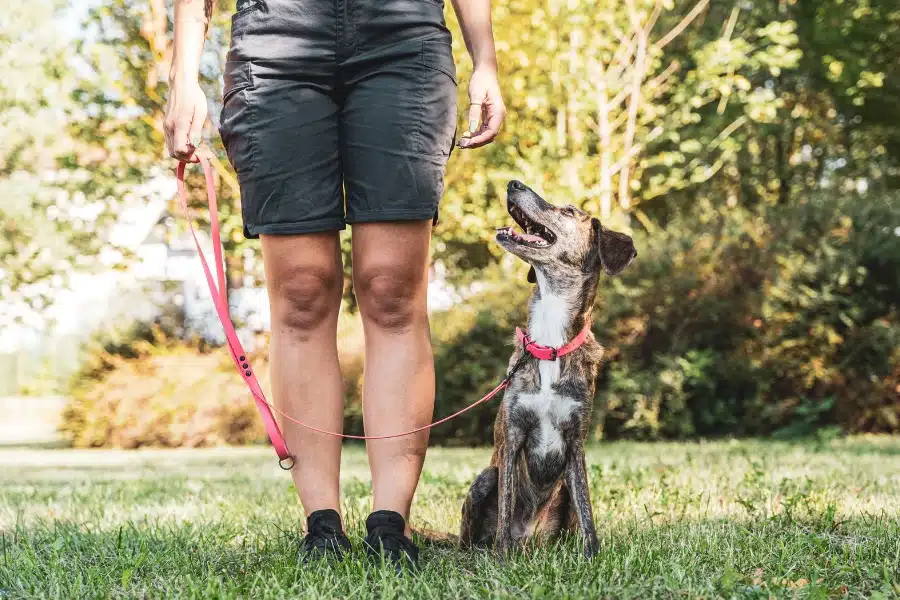
Once your dog is comfortable wearing the harness, it’s time to introduce advanced techniques. Training your dog to walk beside you without pulling requires consistent feedback. A gentle tug to redirect them when they pull and praise them when they’re walking correctly can help establish good walking habits. This will not only ensure their safety but also make the walks enjoyable for both of you.
Furthermore, you can also practice different commands such as ‘stop’, ‘wait’, and ‘go’ while your dog is wearing the harness. This will enhance your control during walks, especially in areas with heavy traffic or many distractions. Remember, training should be conducted in a safe, quiet environment before trying in more distracting areas.
Ensuring Comfort And Safety

Ensuring the harness is comfortable and safe for your dog is paramount. Check for signs of discomfort in your dog, like changes in gait, chafing, or hair loss in the area where the harness touches their body. A correctly fitting harness should be snug but not too tight, allowing you to slip two fingers between the harness and your dog’s body.
Regular inspection of the harness for signs of wear and tear is crucial for your dog’s safety. Look out for frayed seams, broken buckles, or worn-out areas that could potentially break during a walk. Replace the harness promptly if you notice any of these signs. A safe, comfortable harness isn’t just essential for your dog’s physical health but also plays a significant role in their willingness to wear it.
Maintaining Progress Over Time

Training your dog to wear a harness isn’t a one-time task but an ongoing process. It’s important to maintain regular training sessions, gradually increasing the duration of harness-wearing as your dog grows more comfortable. Remember, consistency is key. Your dog needs to learn that the harness isn’t just a temporary tool but a permanent part of their walking routine.
Positive reinforcement plays an indispensable role in this long-term training process. Even after your dog has gotten used to the harness, continue to reward them for their good behavior. This will not only motivate them to keep up the good work but will also help in cementing the positive association they have with the harness.
Recognizing The Need For Expert Assistance

While many dogs adapt to harnesses with time and consistent training, there are cases where you might need to seek professional help. For instance, if your dog continues to show severe anxiety or distress despite consistent, positive training, it could be an indication that professional help is needed. Similarly, dogs that display aggressive behavior when the harness is introduced might benefit from professional behavior intervention.
Reaching out to a professional dog trainer or behaviorist in such situations can be extremely beneficial. These experts are equipped with the knowledge and experience to handle a range of behavioral issues. They can provide targeted strategies for your dog’s specific needs, making the transition to a harness much smoother and less stressful for both you and your furry friend.
You’re Ready To Start Training Your Dog To Wear A Harness!
Harness training is an essential part of responsible dog ownership, promoting safety and comfort for your pet during walks or other activities. While the process requires patience and consistency, the benefits that a harness provides over traditional collars make the effort well worth it. Remember to keep the training positive, be patient with your dog, and not hesitate to seek professional help if necessary. With time and dedication, your dog will soon be comfortably trotting by your side to wear a harness, ready to explore the world around them!