Homemade Meals and Recipes

Creating homemade meals for your dog can be a rewarding way to cater to their specific tastes and dietary needs. Homemade food allows for complete control over the ingredients, ensuring that your dog is getting wholesome, nutritious meals. When preparing homemade meals, it’s important to focus on a balanced diet that meets all of your dog’s nutritional requirements. This might include a mix of proteins, vegetables, and grains tailored to your dog’s preferences and health needs.
However, it’s crucial to remember that not all human foods are safe for dogs. Consulting with a veterinarian or a canine nutritionist is advisable when designing a homemade diet. They can provide guidance on the right proportions and necessary nutrients to include. Additionally, they can help you understand which foods to avoid to prevent any health risks. Introducing homemade meals gradually, alongside their regular food, allows for a smooth transition and helps monitor how your dog responds to the new diet.
Incorporating Healthy Treats and Toppings

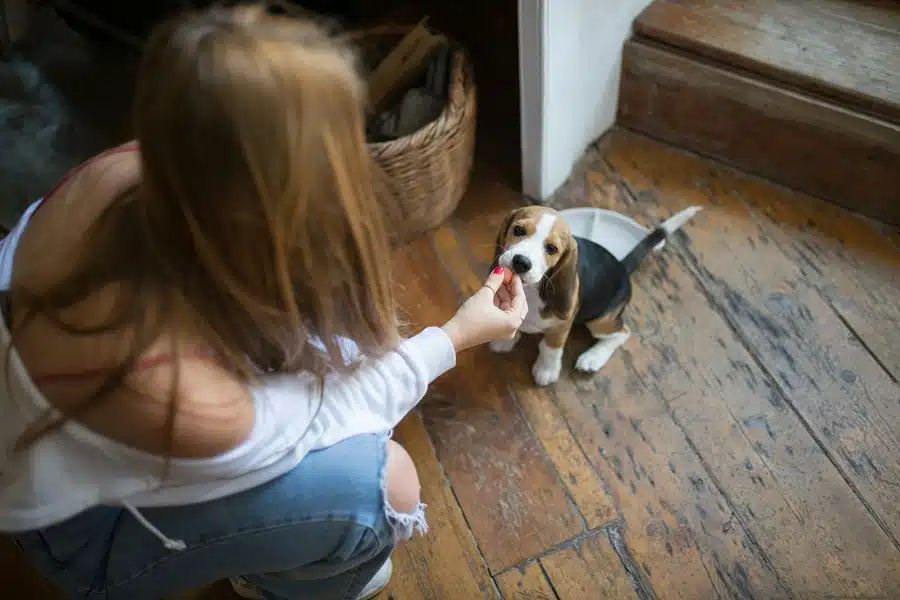
Using treats and toppings can be an effective way to entice a picky dog to eat their regular meals. Sprinkling a small amount of a favored treat or adding a tasty topping to their food can make it more appealing. This could include things like a spoonful of plain pumpkin, a sprinkle of shredded chicken, or a dash of low-sodium broth. It’s essential, however, to ensure that these additions are healthy and don’t disrupt the nutritional balance of your dog’s diet.
While treats and toppings can be useful, it’s essential to use them judiciously. Relying too heavily on treats can lead to nutritional imbalances and weight gain. Treats should complement, not replace, their regular balanced diet. The key is to use these additions as a tool to enhance their regular meals, not as a substitute. Monitoring your dog’s overall intake and maintaining a balance is crucial for their health and well-being.
Interactive Feeding Toys and Games

Interactive feeding toys and games can be a novel way to encourage picky dogs to eat. These tools turn mealtime into a fun and engaging activity, stimulating your dog’s natural foraging instincts. Puzzle feeders, slow feeders, and treat-dispensing toys are great options to pique your dog’s interest. They not only make eating more enjoyable but also provide mental stimulation and physical activity.
Introducing these toys gradually is important to ensure your dog doesn’t become frustrated or overwhelmed. Start with simpler puzzles and gradually increase the complexity as your dog becomes more adept at using them. These feeding games can be particularly beneficial for dogs that eat too quickly or need additional mental stimulation. They add an element of challenge and excitement to mealtime, which can be especially appealing to picky eaters.
When to Consult a Professional

Knowing when to seek professional advice is crucial in managing a picky dog’s eating habits. If your dog consistently refuses to eat, loses weight, or shows signs of digestive upset, it’s essential to consult a veterinarian. These could be indicators of underlying health issues that need addressing. A professional can provide a thorough evaluation and recommend appropriate steps, whether it’s a dietary change, medical treatment, or behavioral therapy.
In addition to health concerns, consulting a pet nutritionist can be beneficial for guidance on your dog’s diet. They can offer expert advice on creating a balanced diet, especially if you’re considering homemade meals or significant changes to your dog’s feeding routine. Their expertise ensures that your dog’s nutritional needs are met while also addressing their pickiness. Remember, a professional’s guidance is invaluable in ensuring your dog’s health and happiness.
Embark on a Flavorful Journey With Your Canine
Transforming mealtime for your picky dog involves a blend of understanding, patience, and creativity. From exploring homemade meals to incorporating interactive feeding games, each strategy offers a unique way to address your dog’s selective eating habits. Remember, the journey to finding what works best for your canine companion is a gradual one, filled with trial and error. Embrace this process and consult professionals when needed. Your efforts will not only nourish your dog but also strengthen the bond you share.