Gaining insight into your dog’s sleep patterns is not just a matter of curiosity but a crucial aspect of ensuring their overall health and well-being. Dogs, much like humans, have unique sleeping needs that vary with age, breed, and lifestyle. This article dives into the intricacies of canine sleep, from understanding the basic sleep cycle to identifying factors that can affect their rest. By exploring these areas, you can better cater to your furry friend’s needs, enhancing both their sleep quality and, subsequently, their life quality.
The Basics of Canine Sleep

Dogs experience different stages of sleep, including light sleep and deep REM (Rapid Eye Movement) sleep. During REM sleep, dogs often exhibit twitching or movement, which is a normal part of their sleep cycle. Unlike humans, dogs enter REM sleep more quickly and frequently, which is essential for their cognitive functions. Understanding these phases helps in recognizing what a healthy sleep pattern looks like for a dog. It’s also fascinating to note that dogs, much like humans, dream during their REM sleep, often indicated by their subtle movements and sounds.
The average adult dog sleeps for about 12 to 14 hours per day, although this can vary greatly depending on the breed, age, and activity level. Puppies and senior dogs typically require more sleep – up to 18-20 hours per day – due to their developmental and health needs. Active breeds may have shorter but more intense periods of sleep compared to less active breeds. Observing your dog’s natural sleep patterns and adapting to their individual needs is crucial, ensuring they get enough rest for their health and well-being.
Factors Influencing Sleep in Dogs

A dog’s age significantly influences its sleep patterns. Puppies, being in a rapid growth phase, require more sleep for development and learning. As dogs age into adulthood, their sleep stabilizes, but it may become fragmented, especially in larger breeds. Senior dogs often face challenges like joint pain or cognitive changes that can disrupt sleep, necessitating a comfortable sleeping environment and possibly veterinary intervention. Understanding these age-related changes helps in providing the proper care at different life stages.
Breeds have distinct sleep tendencies shaped by their genetic makeup and historical roles. Working breeds like Border Collies or German Shepherds might have lighter sleep patterns, staying alert even during rest. In contrast, breeds like Bulldogs or Mastiffs, not bred for intense physical work, often indulge in longer, deeper sleep. These breed-specific tendencies should guide how owners manage their dogs’ sleep, from the choice of bedding to the level of daily activity. Recognizing these breed-related sleep needs is crucial for maintaining a healthy lifestyle for your dog.
Common Sleep Positions and Their Meanings

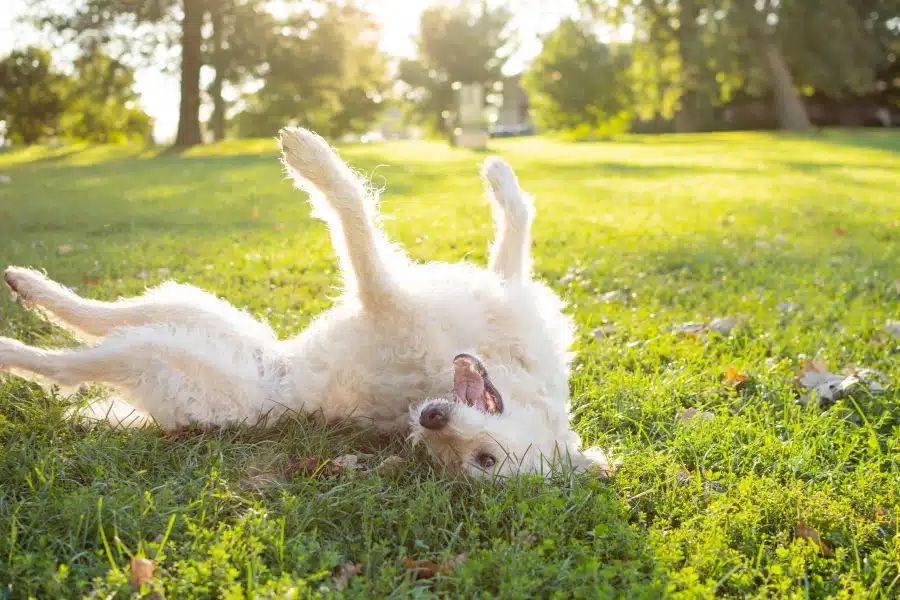
Dogs exhibit a variety of sleep positions, each potentially signifying different things about their comfort and health. The ‘side sleeper’ position indicates relaxation and comfort, often seen in secure and content dogs. The ‘superman’ position, with limbs stretched out, is common in puppies, allowing for quick movements upon waking. Dogs sleeping on their backs with exposed bellies are showing a high level of trust and comfort in their environment. Observing these positions can provide insights into a dog’s well-being and whether they feel safe and relaxed in their home.
Unusual sleeping positions can sometimes be a cause for concern. For example, if a dog suddenly starts sleeping more curled up than usual, it might indicate discomfort or pain. Consistently sleeping in a tucked, guarded position could suggest anxiety or insecurity. Changes in normal sleep positions, combined with other behavior changes, might warrant a closer look into the dog’s physical and emotional well-being. It’s essential to be attuned to such changes as they can be early indicators of underlying issues.
The Role of Diet and Exercise

A balanced diet plays a pivotal role in regulating a dog’s sleep patterns. Nutritional imbalances or a diet that doesn’t cater to a dog’s specific life stage or health needs can lead to restlessness or lethargy. Ingredients in a dog’s food can influence their energy levels and digestive health, both of which are closely tied to sleep quality. For instance, foods high in carbohydrates can provide quick energy, but may lead to crashes, affecting a dog’s sleep cycle. It’s vital to choose a diet that supports steady energy levels and overall health.
Regular exercise is equally important for a dog’s sleep health. Adequate physical activity during the day helps expend energy, reducing restlessness at night. Different breeds require different levels of exercise; failing to meet these needs can lead to pent-up energy and affect sleep quality. Mental stimulation through interactive toys or training exercises is also crucial in tiring out a dog’s mind, leading to more restful sleep. Striking the right balance between physical and mental activity is key to ensuring a good night’s rest for your dog.