Body Language Cues

Dogs express a vast array of emotions and intentions through their body language. A dog’s posture, the set of its ears, the position of its tail, and even its facial expressions are all part of a complex communication system. For instance, a dog with a relaxed body, a wagging tail, and ears in a natural position is generally content and approachable. Conversely, a dog with a stiffened posture, ears pinned back, and tail tucked may be fearful or anxious.
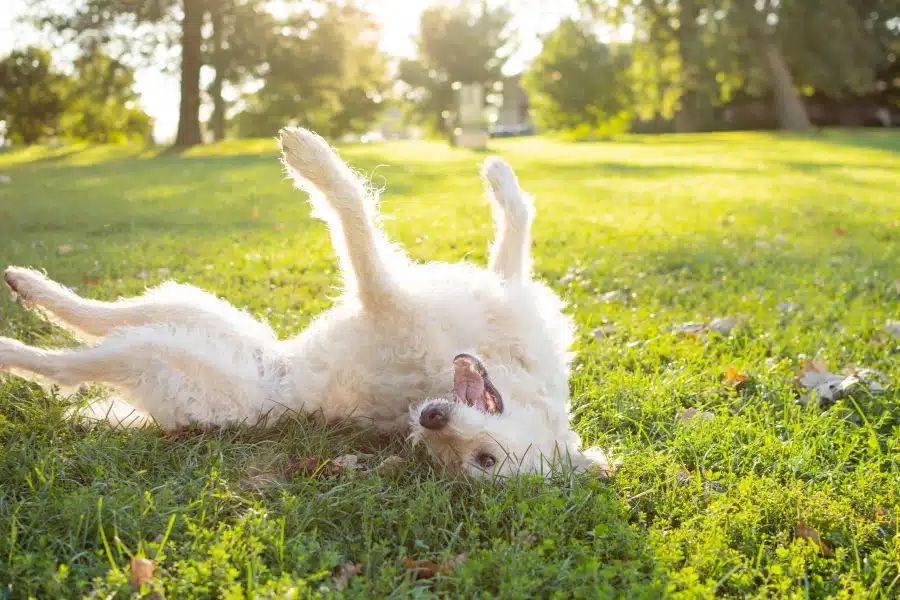
Interpreting these cues accurately requires observation and an understanding of the context. A dog’s body language can change rapidly in response to its environment or the people and animals around it. For instance, when feeling threatened, a dog might display signs of aggression, like baring teeth and a stiff posture. Still, the same dog might show submissive behavior, like rolling over to expose its belly, in a more relaxed or familiar setting. Recognizing and responding appropriately to these cues is vital for effective communication and ensuring the well-being of both the dog and its human companions.
Behavioral Indicators of Stress or Discomfort

Stress and discomfort in dogs manifest through various behavioral indicators that attentive owners can learn to recognize. Common signs include excessive panting, yawning, drooling, or shedding. Dogs might also display avoidance behaviors, such as turning away, hiding, or refusing to eat. These behaviors often respond to stressful situations, such as loud noises, unfamiliar environments, or uncomfortable social interactions.
Understanding and addressing the causes of stress is crucial for a dog’s emotional well-being. Factors contributing to stress can range from environmental changes, like moving to a new home, to social factors, such as introduction to new people or animals. Owners can significantly reduce their pet’s anxiety by identifying the sources of stress and gradually acclimating the dog to these situations. This may involve training, behavior modification techniques, or simply providing a safe, comfortable space for the dog to retreat when overwhelmed.
Play Behavior and Social Interaction

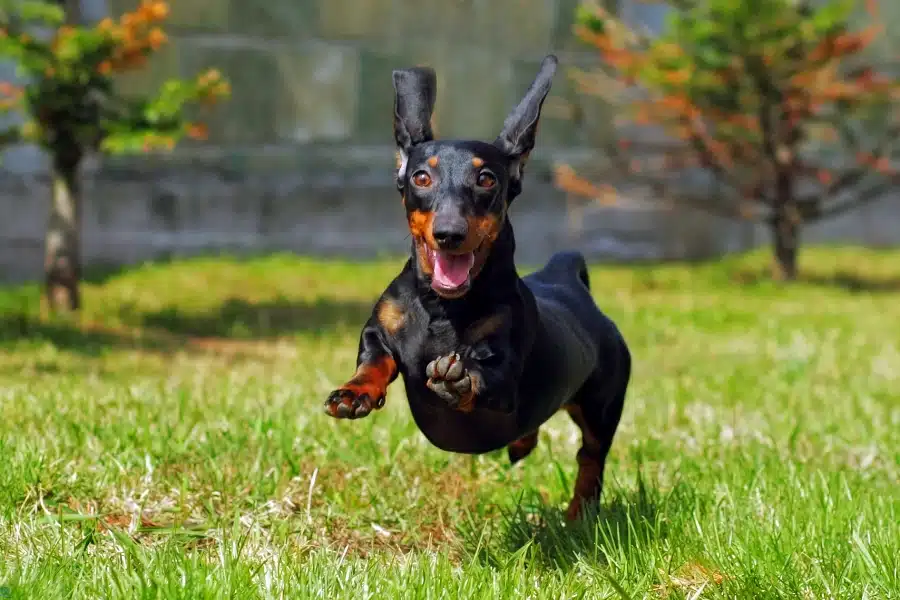
Play behavior is a vital aspect of a dog’s social life, providing opportunities for exercise, mental stimulation, and social bonding. Dogs engage in various forms of play, from chasing and wrestling to tug-of-war and fetch. These activities are enjoyable for dogs and crucial for their social development and learning appropriate social cues.
Understanding a dog’s play preferences and ensuring positive social interactions is key to their well-being. Play behavior also allows dogs to practice and reinforce social skills, such as communication, patience, and self-control. Owners must supervise play sessions, especially with unfamiliar dogs, to ensure positive interactions do not escalate into aggression.
The Impact of Breed and Individual Differences

Dogs’ behaviors are influenced by their environment and upbringing, breed, and personality. Different breeds have different behavioral tendencies and instincts, shaped by the purposes for which they were historically bred. For example, herding breeds like Border Collies may exhibit strong chasing and rounding up behaviors, while hound breeds may be more prone to tracking and following scents.
Acknowledging individual differences is equally important. Dogs can have vastly different personalities, energy levels, and preferences, even within the same breed. Some dogs may be more social and outgoing, while others are reserved or independent. Recognizing and respecting these differences is crucial for providing appropriate care and training tailored to each dog’s unique needs and temperament.
The Bottom Line
In conclusion, understanding dog behavior is a journey that enriches the bond between dogs and their human companions. It’s about deciphering the subtleties of tail wags, interpreting the nuances of barks, and responding empathetically to their emotional states. This journey requires patience, observation, and a willingness to learn and adapt. Owners can deepen their relationships with their dogs by appreciating the complexities of canine communication and respecting their individual personalities and needs. Ultimately, this understanding fosters a harmonious coexistence filled with mutual trust and affection. Dogs are not just pets; they are companions, teachers, and family members. Understanding what they’re thinking is key to honoring this profound and rewarding relationship.