Trouble Hearing

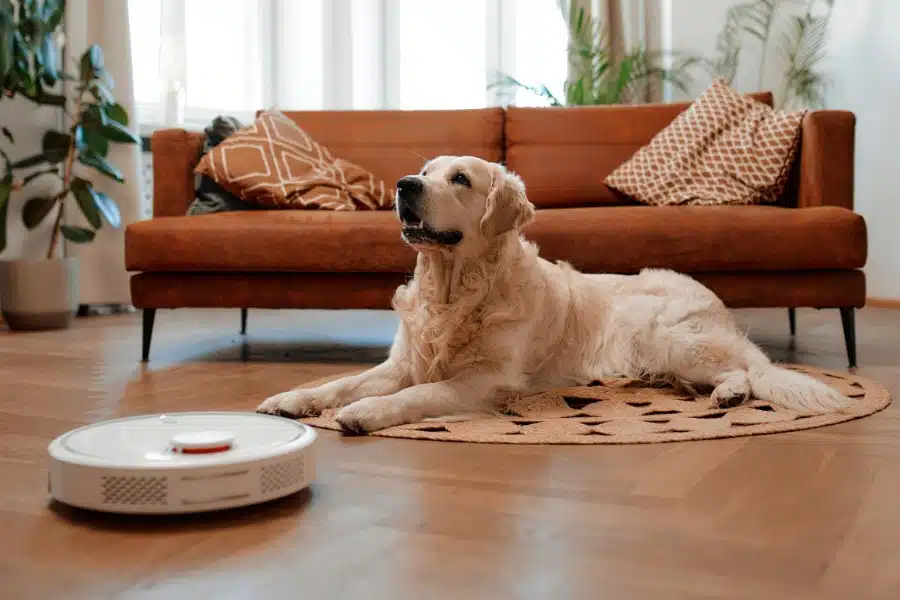
When dogs reach their later years, it’s natural for them to develop certain physical ailments – and trouble hearing is one of the more common indicators. Many owners may mistake their dog’s hearing loss for simple disobedience or senility, but it’s important to recognize this change as a red flag for aging. Thankfully, there are a few proactive steps you can take to help your pup navigate their new reality.
Training with hand signals, using high-pitched praise or a vibrating collar, and keeping your dog engaged with puzzles or toys can all help a hearing-impaired dog lead a happy, fulfilled life. And depending on the severity, you may also want to chat with your vet to see if any other treatments or solutions are available.
Reduced Appetite

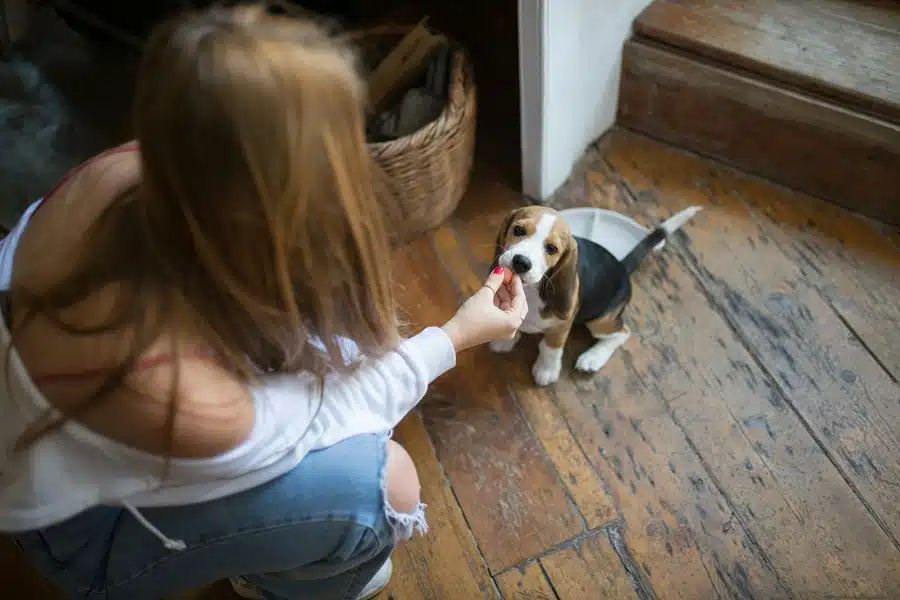
As a young pup, most dogs love food! But as they get older, it’s common for their appetite to decrease. This can be a sign of a multitude of issues, from dental problems to digestive disorders. Therefore, it is essential to monitor your furry friend’s eating habits and speak to your veterinarian if you notice any changes. But keep in mind there are a few things you can do to help your aging dog maintain their appetite. For starters, try offering smaller, more frequent meals throughout the day instead of one or two large meals.
You can also add some warm water or low-sodium broth to their food to make it more appealing. Finally, ensure your dog gets plenty of exercise and mental stimulation, as this can help maintain their overall health and appetite. Remember, paying attention to your dog’s eating habits is essential to providing them with the best care possible as they age.
Lumps Appearing

One of the more concerning signs of aging in dogs is the appearance of lumps or bumps under their skin. While these lumps could be benign, they can also be indicators of something more serious. So as their owner, you need to keep an eye out for any changes in your pup’s skin. If you do find any, be sure to have them checked out by your vet immediately.
In the meantime, keep an eye on the lump for changes in size or texture and take note of any additional symptoms that could point to a more serious health concern. Remember, knowledge is power when it comes to taking care of your senior pup – so don’t hesitate to ask your vet any questions you may have.
Aggression

Finally, you should also be mindful of the possibility that your dog may become aggressive or irritable as they get older. This could be a sign of disorientation, pain, or anxiety – all common issues for aging dogs. If you suspect that your pup is exhibiting aggressive behavior due to age-related issues, it’s important to take them to the vet and have them assessed by a professional.
They will be able to determine the best course of action to take and can provide you with tips on how to manage your pup’s aggression in a safe and healthy manner. Often they will recommend a combination of medication, diet, and lifestyle changes to help your dog feel comfortable and happy as they enter their golden years.
Be Mindful Of The Signs Of Aging In Senior Dogs!
Being able to identify the signs of aging in senior dogs is a big first step in providing them with the care they need. While it can be difficult to watch your pup age and become increasingly vulnerable, remember that there are still plenty of things you can do to ensure they lead a happy, healthy life. With regular check-ups from the vet, along with diet and lifestyle changes tailored to their needs, you can ensure your pup is well looked after and loved throughout their final years!