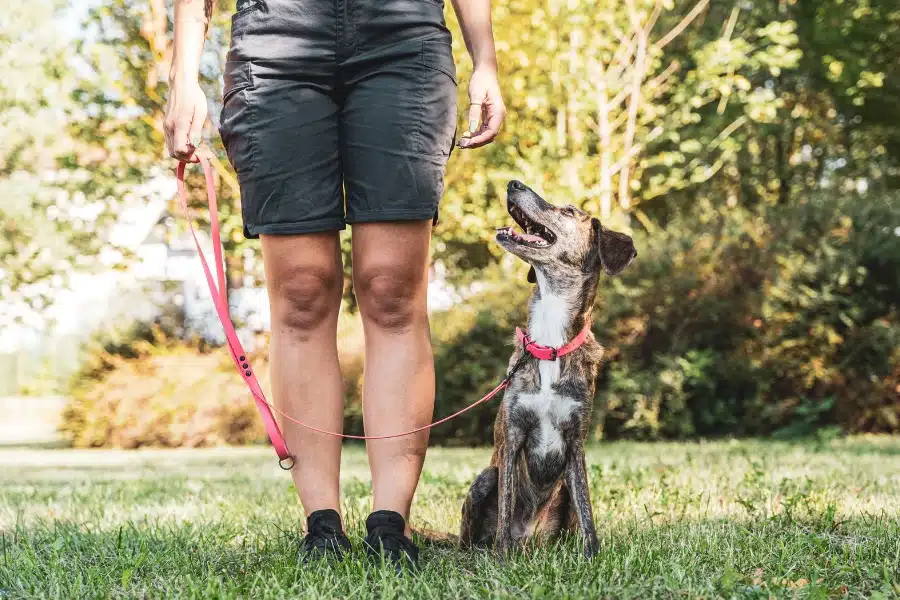
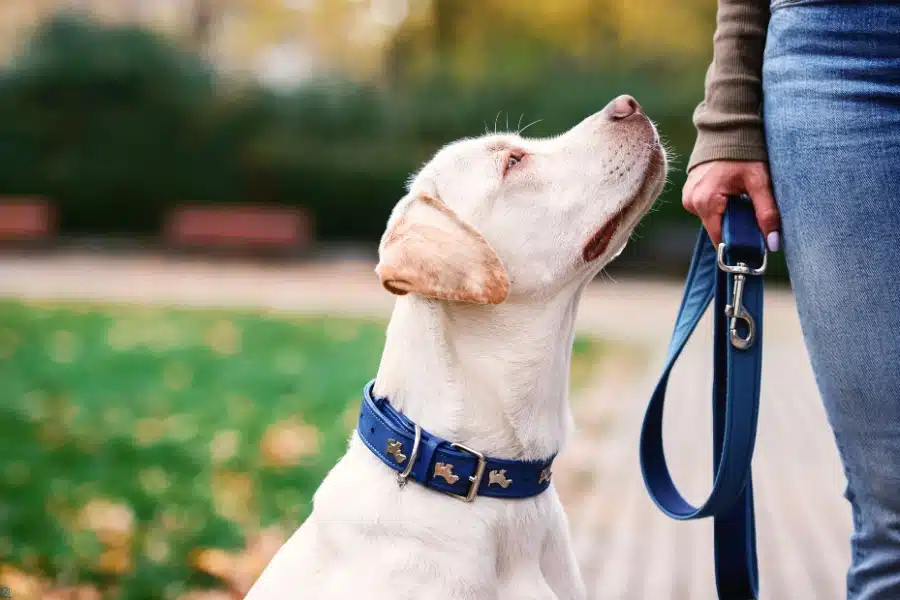
Understanding Your Dog’s Running Pace And Stamina

It’s essential to be aware of your dog’s running pace and stamina to ensure a safe and enjoyable experience. Different breeds have varying exercise needs and capabilities, so it’s essential to tailor your running routine to suit your dog’s specific requirements. For instance, while a Border Collie may be able to run long distances with ease, a Pug might struggle to keep up due to their shorter legs and breathing difficulties.
Begin your running journey with your dog at a comfortable pace, gradually increasing speed and distance as their fitness level improves. Be mindful of your dog’s body language and breathing patterns, and adjust your pace accordingly. Remember, it’s not a race; the goal is to create a fun and beneficial activity for both you and your dog.
Signs Of Fatigue Or Distress In Your Dog While Running

Whenever you are out for a run with your pup, it’s also important to keep an eye out for signs of fatigue or distress. Dogs are often eager to please their owners and may push themselves beyond their limits, leading to potential injuries or health concerns. Some common signs of fatigue or discomfort in your dog include heavy panting, drooling, limping, or reluctance to continue running.
If you notice any of these signs, it’s crucial to stop, allow your dog to rest, and provide them with water. It’s better to err on the side of caution and prioritize your dog’s well-being over completing a run. And always remember that your dog’s safety and comfort come first.
Post-Run Care for Your Dog

After finishing up a great run with your furry friend, it’s essential to properly care for them. Dogs love to get active and enjoy running with their owners, but like humans, they can get tired and sore. So, post-run care is vital for maintaining their health and well-being. Be sure to give them plenty of water and a healthy meal to replenish their energy. And don’t forget to provide them with a good rest in a comfortable spot.
In addition, you should inspect your dog’s paws for any injuries or cuts and clean them if necessary. And lastly, give them lots of love and praise for being your faithful running companion! By taking the necessary steps to care for your dog after a run, you can ensure they stay healthy, happy, and ready for the next adventure.
Dealing With Potential Hazards While Running With Your Dog

The last area of concern when running with your dog is potential hazards. These could include aggressive animals, traffic, or toxic plants. To avoid confrontations with other animals, always keep your dog on a leash and maintain a safe distance. Carry a deterrent spray or an ultrasonic device to discourage any aggressive animals from approaching.
Furthermore, ensure you stay vigilant when running near roads, and choose routes with less traffic or pedestrian-friendly paths whenever possible. And last but not least, familiarize yourself with toxic plants in your area, and keep your dog away from them during your runs. By being aware of and prepared for potential hazards, you can ensure a safe running environment for both you and your dog.
Tips for Making Running With Your Dog a Habit

To reap the full benefits of running with your dog, making it a regular habit is essential. Establishing a consistent schedule can help both you and your dog adjust to the routine and look forward to the activity. Start by setting aside specific days and times for your runs, gradually increasing the frequency as you become more accustomed to the exercise.
Incorporate variety into your running routine by exploring new routes, parks, or trails to keep things fresh and exciting for both you and your dog. Positive reinforcement, such as praise or treats, can also help make running a rewarding and enjoyable experience for your dog, ensuring they remain motivated and eager to participate.
Be Mindful Of These Health Concerns When Running With Your Dog!
Running with your dog is a fantastic way to bond with your pet while enjoying the numerous physical and mental health benefits that exercise provides. By following the tips and health considerations discussed in this post, you can create a safe, enjoyable, and rewarding running experience for you and your furry companion. And remember the most important rule of all – always prioritize your dog’s safety and comfort!