Managing Electrical Cords And Appliances

The kitchen is often filled with appliances that have cords, which can be a potential hazard for pets. Dogs may chew on electrical cords, leading to shocks, burns, or even more severe injuries. To prevent these accidents, it’s essential to keep cords tucked away and out of sight. This can be achieved by using cord organizers or by securing cords to the walls with clips. For appliances that are not used daily, it’s best to unplug them and store them away, reducing the temptation for your dog to investigate.
Another preventive measure is to use appliances with shorter cords or to invest in wireless or battery-operated alternatives when possible. If you must use an appliance with a longer cord, try to use it only when you can supervise your dog. Additionally, consider using safety covers on outlets that are not in use to prevent your dog from licking or poking their nose into the sockets. By managing the electrical cords and appliances in your kitchen, you create a safer space for your dog to roam without the risk of electrical injury.
Implementing Dog Barriers

Restricting access to the kitchen can sometimes be the most effective way to ensure your dog’s safety. Using baby gates or pet barriers can help keep your dog out of the kitchen during high-risk times, such as when you’re cooking or unable to supervise. These barriers come in various styles and sizes, allowing you to choose one that best fits the layout of your home and the size of your dog. It’s important to ensure that the barrier is tall enough to prevent your dog from jumping over and stable enough to resist pushing or leaning.
When setting up barriers, consider the flow of your home and the daily routine. You want to ensure that the barriers are convenient for you to use but effective in keeping your dog at bay. Some barriers have walk-through gates for humans, which can be a handy feature. Remember, the goal is not to isolate your dog but to create a safe boundary that keeps them out of harm’s way when you can’t be there to watch over them. With the proper setup, barriers can be a seamless part of your kitchen safety strategy.
Regular Maintenance And Dog-Proofing Checks

Maintaining a dog-proof kitchen is an ongoing process. Regular checks are necessary to ensure that no new hazards have emerged and that previous safety measures are still in place and effective. Create a maintenance checklist that includes inspecting locks on cabinets, ensuring that trash cans are secure and that no dangerous items have been left within reach. This checklist should be reviewed regularly, perhaps monthly, or with the change of seasons when different foods and decorations might be introduced into the kitchen.
Involving the entire household in these safety checks can be beneficial. It ensures that everyone is aware of the importance of dog-proofing and contributes to maintaining a safe environment. Children can be taught to put their snacks away and to close cabinets, while adults can double-check that appliances are unplugged, and hazardous materials are stored properly. This team effort not only reinforces the safety measures but also helps to instill responsible pet ownership practices within the family.
Training Your Dog For Kitchen Safety

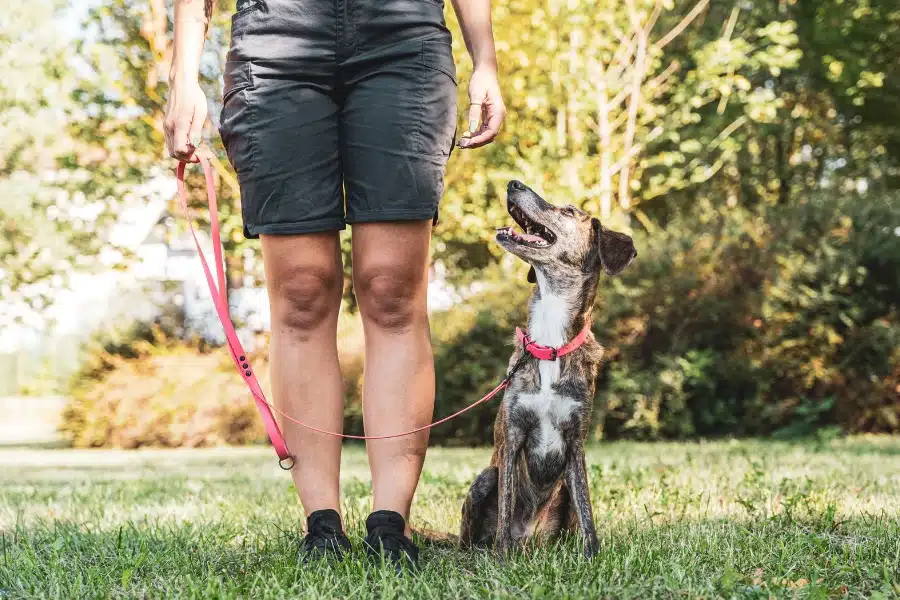
Training is a critical component of ensuring your dog’s safety in the kitchen. Teaching basic commands such as “leave it,” “sit,” and “stay” can be incredibly effective in preventing dangerous situations. For example, if an item falls on the floor, a well-trained dog will wait for your command rather than lunging to eat it. Consistent training sessions help reinforce these commands, making them second nature for your dog. It’s also beneficial to reward your dog for good behavior in the kitchen, reinforcing the idea that they have boundaries within this space.
If your dog tends to be particularly stubborn or if you’re struggling to train them on your own, professional training classes can be a worthwhile investment. A professional trainer can provide you with the techniques and guidance to address specific behavioral issues. They can also offer personalized advice for your dog’s unique needs. Remember, the goal of training is not only to protect your dog but also to create a harmonious living space where both you and your pet can feel comfortable and secure.
Take The First Step Toward a Dog-Safe Kitchen!
Creating a dog-proof kitchen is an act of love and responsibility towards your furry family member. By following the steps outlined, you can significantly reduce the risks and create a safe, enjoyable space for both you and your dog. Remember, the safety of your pet depends on the precautions you take and the habits you instill. So, take the first step today—evaluate your kitchen, implement the necessary changes, and enjoy the peace of mind that comes with a dog-friendly home!