The Victorian Era Explosion

The Victorian era marked a significant chapter in the evolution of dog breeds. Industrialization and urbanization created new roles and niches for dogs within human societies. Breeds like Bulldogs and Dachshunds gained prominence, reflecting not just the functional needs but also the aesthetic preferences of the time. Dogs became not just workers and hunters but companions and status symbols, leading to a surge in breed diversity.
Dogs’ roles expanded beyond functional to the ornamental and companion categories. Breeds were crafted to exhibit elegance, companionship qualities, and distinct appearances that appealed to the aesthetic sensibilities of the affluent. The emergence of dog shows and competitions further fueled the desire for distinct and refined breeds, each showcasing a unique set of traits and aesthetics.
Breed Standards and Kennel Clubs

The burgeoning diversity in dog breeds necessitated formal classification systems and standards. Kennel clubs emerged as the custodians of breed purity, establishing stringent criteria that outlined the physical and behavioral attributes of each breed. These standards facilitated uniformity and predictability, offering prospective dog owners insights into the expected characteristics of their chosen breeds.
However, these strict standards did not come without contention. Critics argue that an overemphasis on purity and aesthetics can overshadow the health and welfare of the animals. Genetic diversity is often compromised, leading to a higher susceptibility to health issues and hereditary disorders among certain breeds. These challenges prompt a reevaluation of traditional breeding practices, advocating for a balanced approach that prioritizes the animals’ well-being.
Modern Day Diversity

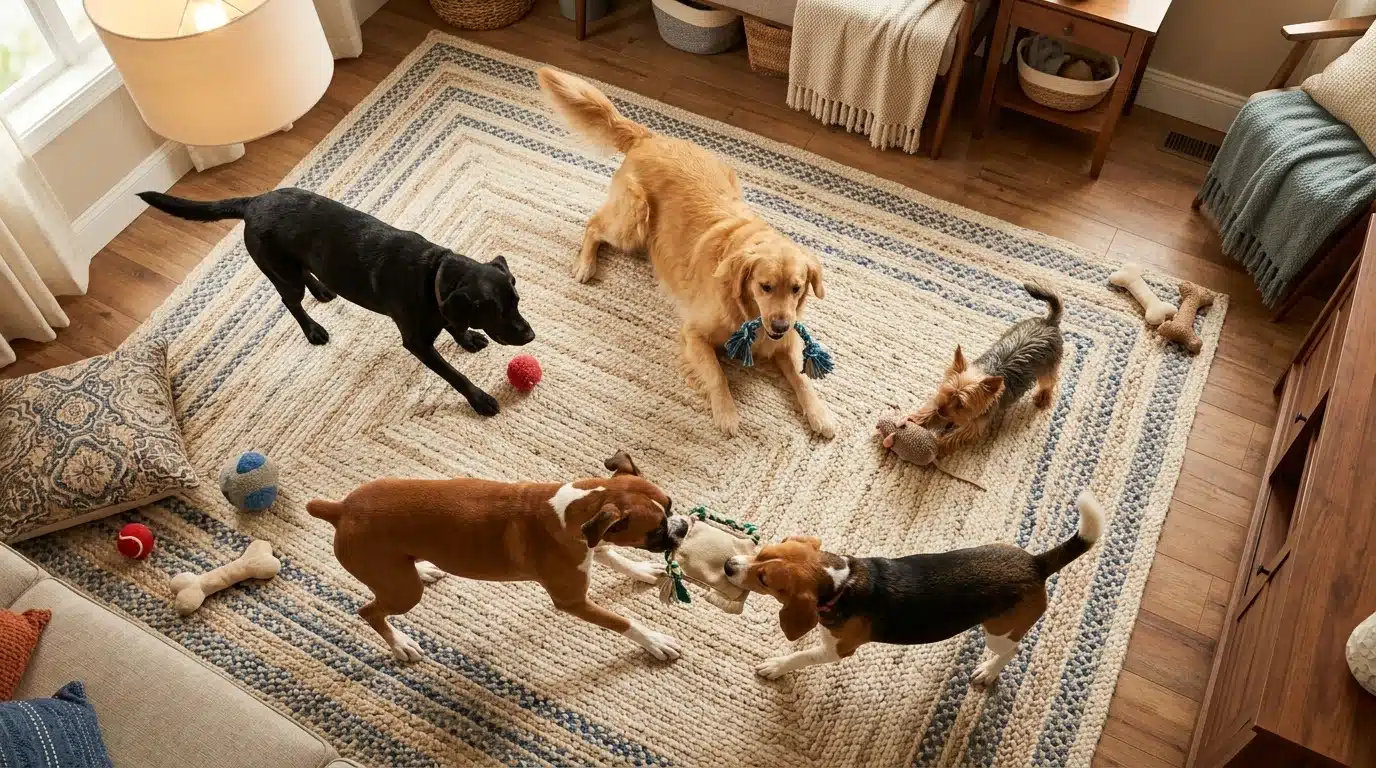
In today’s world, the variety of dog breeds is as diverse as the roles these loyal companions play in human lives. From the towering Great Danes to the petite Chihuahuas, each breed embodies a unique combination of traits, abilities, and aesthetics. This diversity is not just a testament to the historic journey of canine evolution but also reflects the dynamic and evolving needs and preferences of contemporary societies.
‘Designer dogs’ and crossbreeds have gained popularity, symbolizing a shift from the traditional purebreds. Breeds like Labradoodles and Cockapoos combine the traits of two distinct purebreds, aiming for a blend of the best characteristics of both. This trend underscores an ongoing evolution, a dynamic interplay of natural and guided selection, contributing to the rich tapestry of dog breeds globally.
Health and Ethical Considerations

The breeding of dogs isn’t merely a practice rooted in aesthetics or functionality; it’s closely intertwined with ethical and health considerations. Intensive breeding practices have sometimes led to the amplification of hereditary illnesses and physical ailments, sparking debates about the moral implications of such approaches. The welfare of the animals, genetic diversity, and the mitigation of health issues are central to these discussions.
Emerging trends in dog breeding reflect a more balanced approach, where the health and well-being of the animals are prioritized alongside desired traits. Legal frameworks and ethical guidelines are being strengthened to ensure that the legacy of dog breeding is one that honors the dignity, health, and diversity of these beloved companions. It underscores a collective responsibility to ensure that the evolution of dog breeds is sustainable, ethical, and considerate of the animals’ welfare.
The Bottom Line
The journey from the wilderness to modern homes has seen dogs evolve from wild wolves to a diverse array of breeds, each echoing the aesthetics, needs, and preferences of different eras and cultures. These companions have been workers, hunters, protectors, and friends. As the world steps into the future, the balance between celebrating this rich diversity and addressing the inherent ethical and health considerations takes center stage. The story of and evolution of dog breeds isn’t just about their evolution but is intrinsically linked to the human narrative, reflecting the shared history, challenges, and triumphs of this enduring partnership.