Implementing Desensitization Techniques: A Step-By-Step Guide

There are various desensitization techniques that you can apply based on your dog’s specific fear triggers. The general principle involves introducing your dog to the fear-inducing stimulus at a very low, non-threatening level and gradually increasing the exposure over time. For example, if your dog is afraid of other dogs, you might start by showing them pictures of dogs, then progress to watching dogs from a distance, and eventually to controlled interactions with friendly dogs.
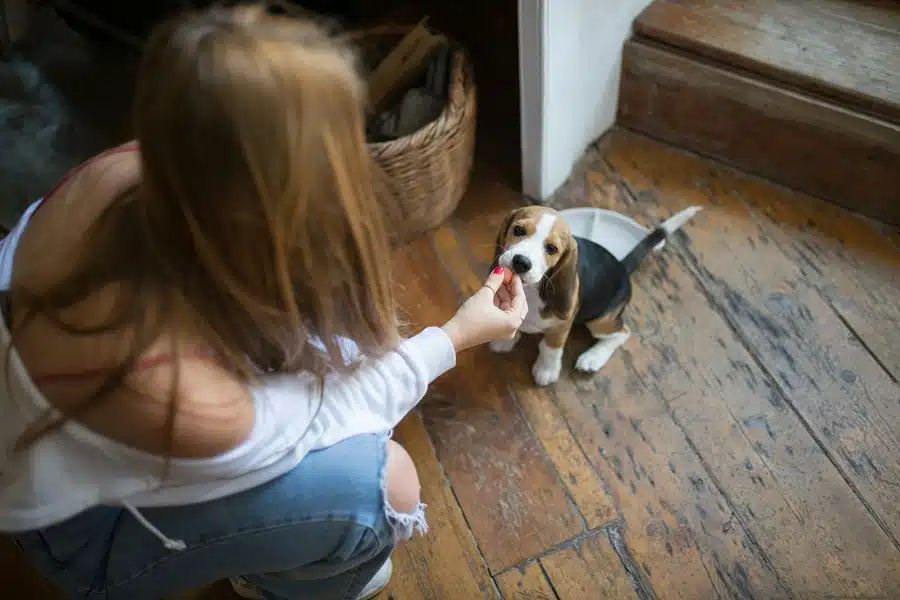
In each step, ensure your dog is comfortable before progressing to the next level of exposure. Reward your dog for remaining calm during these exposures to reinforce their positive behavior. Remember, the key to successful desensitization is patience and consistency.
Common Challenges And How to Overcome Them

The desensitization process is not always straightforward. There may be setbacks and challenges along the way. One common challenge is that your dog’s anxiety levels might spike during the initial stages of exposure. It’s important not to force your dog into situations where they feel overly stressed or threatened, as this can lead to further trauma.
Another challenge could be that your dog doesn’t respond to desensitization techniques as expected. In such cases, you may need to adjust the techniques or consider seeking professional help. Remember, every dog is unique, and what works for one might not work for another.
The Role Of Professional Help

If you find the desensitization process overwhelming or your dog isn’t responding as expected, it’s advisable to seek professional help. Animal behaviorists and professional dog trainers are equipped with the knowledge and experience to handle various behavioral issues, including desensitization. They also have an understanding of how dogs think and act, which makes them ideally suited to help you deal with your pet’s fears, anxieties, and phobias.
Working with a professional not only ensures your dog’s safety and well-being but also helps you build a closer bond. Through patience, consistency, and trust, both of you can work toward building a safe and happy environment for your canine companion.
Maintaining Progress: The Importance of Consistency

Once you’ve started seeing progress in your dog’s behavior through desensitization, it’s vital to maintain consistency. Continuing to expose your dog to previously fear-inducing stimuli regularly, albeit in a controlled and positive way, will reinforce their new, positive associations.
Remember, the goal of desensitization is not just to manage your dog’s immediate reactions but to instill long-term behavioral changes. This requires consistent practice and reinforcement over time. Desensitization is not a quick fix, but with patience and persistence, it can significantly improve your dog’s behavior and quality of life.
Consider The Long-Term Benefits of Desensitizing Your Dog!
Desensitizing your dog is an invaluable tool in promoting a well-adjusted, confident, and happy pet. While the process may require patience, time, and consistent effort, the rewards – a relaxed dog and a strengthened bond between you and your pet – are well worth it. By understanding and applying desensitization techniques, you can help your pup overcome their fears, remain calm in stressful situations, and enjoy life to the fullest. With practice and dedication, you can give your furry companion the tools needed to live a long, healthy life!