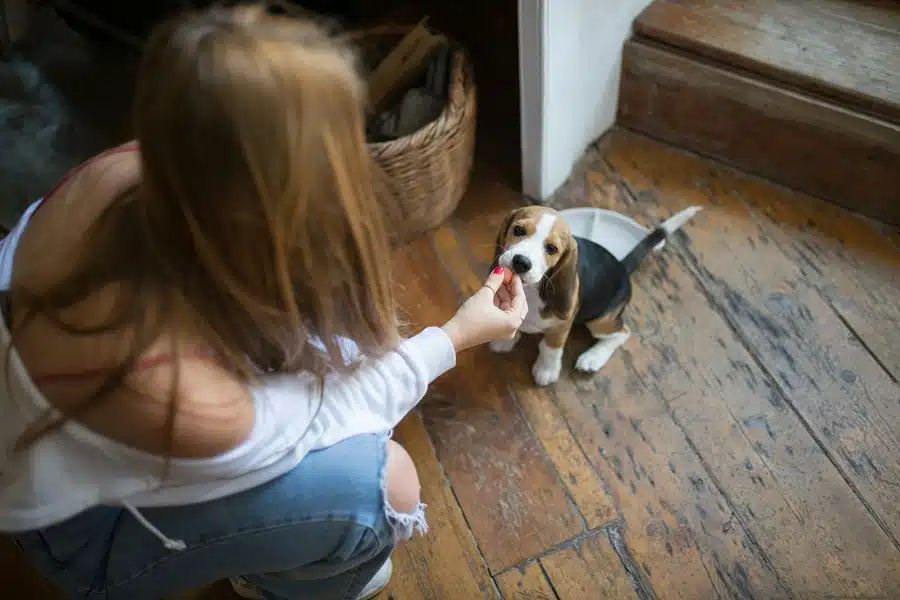
A garden is more than just a collection of plants and flowers; it’s a shared space for relaxation and joy for both you and your pets. Creating a garden that meets the needs of your furry friends while maintaining its aesthetic appeal can be a rewarding challenge. This post will navigate you through the essential steps of designing a pet-friendly garden. Covering everything from plant selection to garden safety, the following sections are filled with practical tips and thoughtful advice. The ultimate goal is to forge a harmonious outdoor environment where both you and your pets can thrive together.
Assessing Your Pet’s Outdoor Needs

Understanding the unique behaviors and preferences of your pets is crucial in creating a garden that caters to their needs. Dogs, for instance, may require space to run and play, while cats often enjoy climbing and exploring elevated areas. It’s important to observe your pet’s habits to tailor the garden accordingly. Consider the various activities your pet enjoys, whether it’s digging, lounging in the sun, or chasing butterflies, and plan the garden layout to accommodate these behaviors.
Creating zones for safe exploration and rest is key to a pet-friendly garden. Designate areas where your pets can indulge in their natural instincts without risk. These could include a sandbox for dogs who love to dig or a shaded, soft area for cats to lounge. Make sure these zones are easily accessible and free from any potential hazards, like toxic plants or sharp objects. Your pet’s safety and comfort should be at the forefront of your garden design.
Choosing Pet-Safe Plants

Selecting the right plants is crucial for a pet-friendly garden. Many common garden plants can be harmful to pets if ingested, so it’s essential to do thorough research before planting. Opt for non-toxic varieties that are safe for pets, and avoid plants known to cause health issues in animals. Remember, what’s safe for one species might not be safe for another, so tailor your plant choices to your specific pets.
Incorporating pet-friendly plants can also enhance your pet’s garden experience. For example, catnip is a great choice for cat owners, while sturdy grasses can withstand a dog’s play. Strategically place delicate plants in areas less accessible to your pets, and use robust, non-toxic plants in areas where your pets spend most of their time. This approach ensures your garden remains beautiful and safe for all its inhabitants.
Securing the Garden Perimeter

A secure perimeter is essential in a pet-friendly garden to ensure your pets stay safe within its bounds. Assess the height and durability of fencing needed based on your pet’s size and jumping ability. For diggers, consider burying a portion of the fence underground. Gates should be secure and regularly checked for potential escape routes.
Not only should the fence be functional, but it should also complement the aesthetic of your garden. There are various fencing materials and styles that can enhance the garden’s look while providing the necessary security. Pay special attention to the gate; it should be sturdy and equipped with locks or latches that pets cannot open. Regular maintenance checks are crucial to ensure the integrity of the fence and gate, keeping your pets safely enclosed.