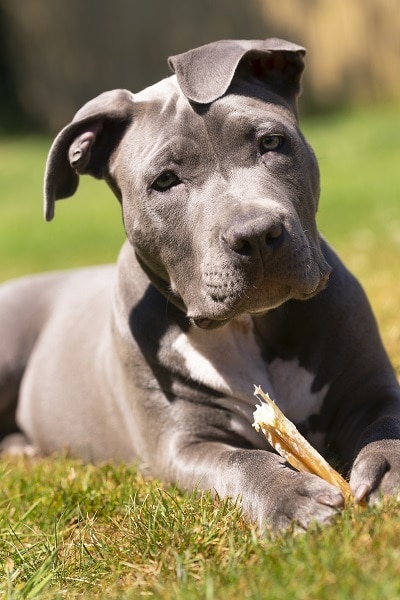
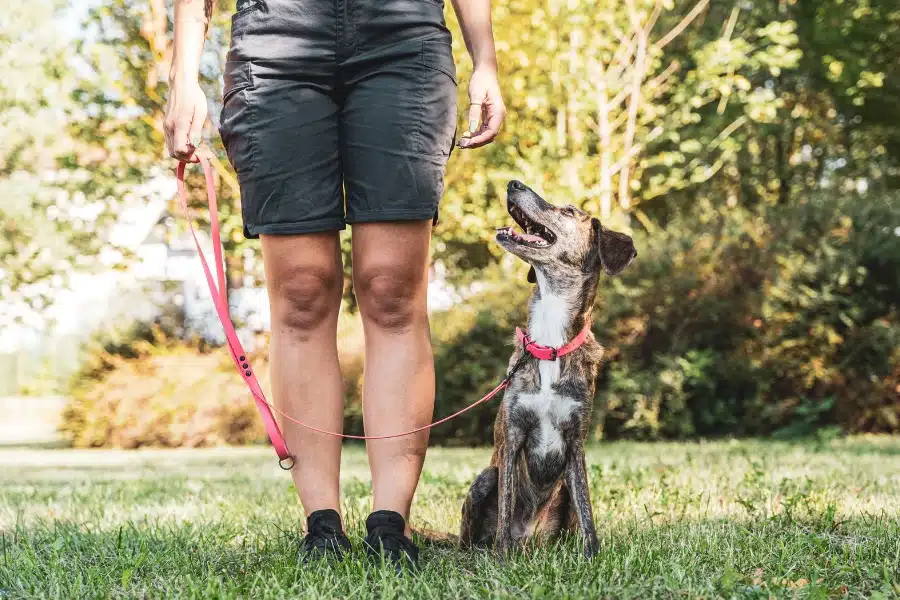
Dogs particularly love to chew on things, unaware of the harm it may cause. Well, you can’t blame them for that exactly. Therefore, as a pet owner, it becomes a person’s responsibility to keep a watch on what their pet is chewing on, even more, choose a safe toy to avoid accidents.
But Is It Really That Easy?
The pet section in most supermarkets has tons of different toys from different brands, making it difficult to choose the right one for your dog. Many popular toys and treats have bright packaging, catchy names, and in the name of health benefits like good for teeth, etc. In reality, most of these are not just unhealthy but can also be life-threatening to an extent.
Chew toys can cause issues like tooth damage, digestive obstruction, etc. However, it is not to say that every dog will suffer from such issues, or a dog who hasn’t yet faced a problem with a particular toy will not come across one in the future. Therefore, knowing about the potential health hazard of a toy you buy helps you keep a better tab on how it must and must not be used, apart from steps you must take if in such a situation. The article below discusses dog toys and treats that you must avoid buying for your furry friend, or at the very least, be careful of their potential risks if you happen to have one. Further are ways to choose a healthy dog chew toy and more.
Rawhide Chews
Rawhide is the perfect example of how a popular treat does not have to be the safest.
Many pet owners choose rawhide, given how cost-effective, attractive to most dogs, available in varieties, and long-lasting rawhide toys are. Forms of rawhide toys can range from a full flat sheet to a star, bone-shaped, etc. Sold in the name of encouraging healthy chewing habits( so that your dog leaves the furniture alone) and promoting teeth health with reduced tartar build-up, rawhide has certainly made its place as a top toy choice for pets. But, how much of it is true?
The very fact that rawhide is long-lasting makes the toy hazardous. The toy is tough and chewy and therefore hard to break into, meaning if your dog happens to swallow a large chunk of it, it most likely will end up causing an internal blockage. A study revealed that many rawhide toys passed to the intestines from the stomach are virtually undigested. Furthermore, the study concluded that dogs who had a habit of gulping down food without much chewing happen to be the ones at most risk.
But that’s not it; the entire process of turning skin into rawhide witnesses the use of heavy chemicals. Right from washing the skin from detergents and degreasers to cleaning and bleaching it, the addition of artificial flavors and colors, and not to mention the preservatives a lot of companies use to keep them from rotting. Needless to say, how chewing on these many toxic chemicals can impact your dog’s health.
Bones
Bones are yet another popular choice of treats for dogs, and a plethora of online information points to the many benefits of chewing on bones for pets. These include safe and natural chewing, nutrition fulfillments, etc. The process of chewing on a bone is something natural for dogs, given how wild dogs and wolves do the same. So, what is the truth?
While many agree that brittle bones as that of cooked chicken, rib, turkey, etc., can pose a serious health hazard as they can splinter and give rise to many digestive issues. The argument often ends with considering raw and solid bones the ideal ones for the dogs and the safest. However, there is little truth in that. All bones, whether hollow, solid, cooked, or uncooked, can splinter with enough force, and in case they do not, the toughness is enough to cause damage to the teeth of your furry friend. The chances of it causing digestive puncture or irritation are too high to overlook.
Dog parks have become cherished spaces for pet owners, offering a convenient place for dogs to run, play, and socialize. However, beneath the joyful energy,… Read More »Hidden Threats in Dog Parks