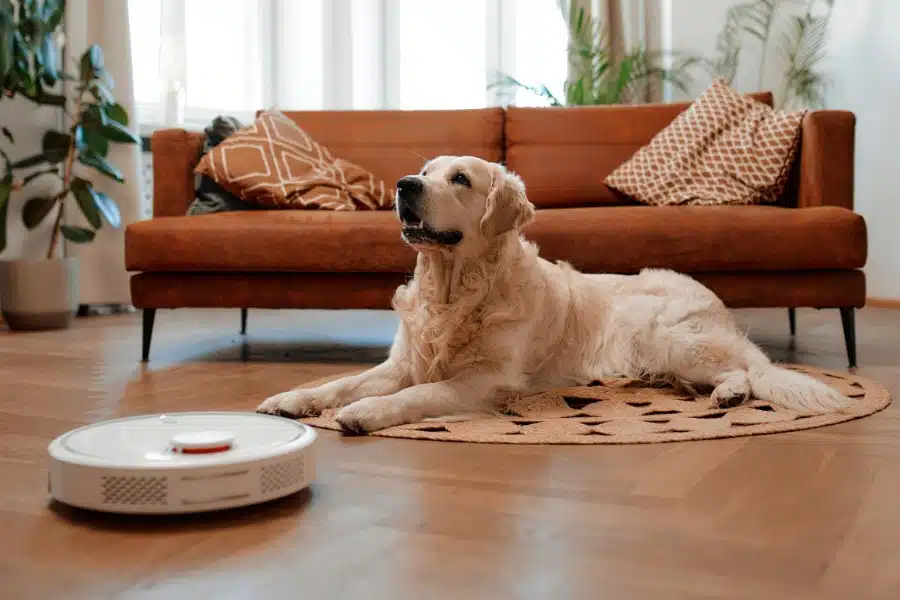
Creating a calming environment is essential for the health and well-being of your canine companion. With their heightened senses, dogs are often much more sensitive to noise and disruptions than their human counterparts. An excess of noise can lead to distress, anxiety, and various behavioral issues. By understanding how to reduce noise and create a serene environment, you can improve your pet’s overall quality of life. This post will provide comprehensive information on understanding your dog’s perception of noise, identifying common triggers, recognizing noise anxiety, and the role of training in noise reduction.
The Relationship Between Dogs And Noise

Dogs have a far more acute sense of hearing than humans. Frequencies that may seem normal to you can be uncomfortable or even painful for them. This disparity in how you perceive sound can lead to misunderstandings and distress for your canine companions. Identifying the differences in your auditory perception is the first step in creating a calmer, more comfortable environment for our pets.
Moreover, some noises can be startling or scary for dogs due to their sudden and unpredictable nature. A door slamming, fireworks, or the vacuum cleaner can all potentially trigger a fear response in dogs. The more you understand about how your dogs perceive sound, the better equipped you’ll be to mitigate potential stressors and help them feel safe and secure.
Common Noise Triggers For Dogs

Every dog is different and may react differently to various sounds. However, certain sounds tend to cause anxiety more frequently in dogs. These include loud noises such as thunderstorms, fireworks, car alarms, vacuum cleaners, and even certain high-frequency sounds that humans can’t hear. Understanding these common triggers can help you better predict and prepare for situations that might cause your dog stress.
In addition to these common triggers, it’s also important to pay attention to your specific dog’s behavior. For example, some dogs may be bothered by sounds that others are not, such as the sound of the dishwasher, the doorbell, or even a particular type of music. By observing and learning your dog’s unique triggers, you can more effectively create a calm environment for them.
Recognizing Signs Of Noise Anxiety In Dogs

Recognizing the signs of noise anxiety in your dog is crucial for their well-being. Symptoms of noise anxiety can vary greatly from dog to dog, but there are some common signs to look out for. These can include shaking, pacing, panting, hiding, and trying to escape. Some dogs may also show signs of agitation or aggression.
Not only does recognizing these signs help you understand when your dog is feeling distressed, but it also helps you identify which sounds are problematic. Once you’ve identified the noises that cause anxiety, you can work towards reducing those sounds or helping your dog cope better when they can’t be avoided. Remember, early recognition and intervention can go a long way in helping your dog lead a happier, calmer life.
The Role Of Training In Noise Reduction

Training plays a significant role in helping dogs cope with noise. Dogs can be trained to react differently to noise triggers through techniques such as desensitization and counterconditioning. Desensitization involves gradually exposing your dog to the noise that scares them at a low level and then slowly increasing the volume as your dog becomes more comfortable.
Counter-conditioning, on the other hand, involves changing your dog’s emotional response to noise. For example, if your dog is scared of thunder, you could start playing with them or feeding them their favorite treat during a storm. Over time, they’ll associate the noise with positive experiences, which can help to reduce their anxiety. Remember that these techniques should be used gradually and patiently to prevent causing more anxiety.